
Complete Solar &
LiFePO4 Energy Systems
Custom solar power systems combine PV panels, hybrid inverters, LiFePO4 battery storage, BMS/EMS controls and electrical protection—built for residential, commercial, off-grid and mobile energy projects.
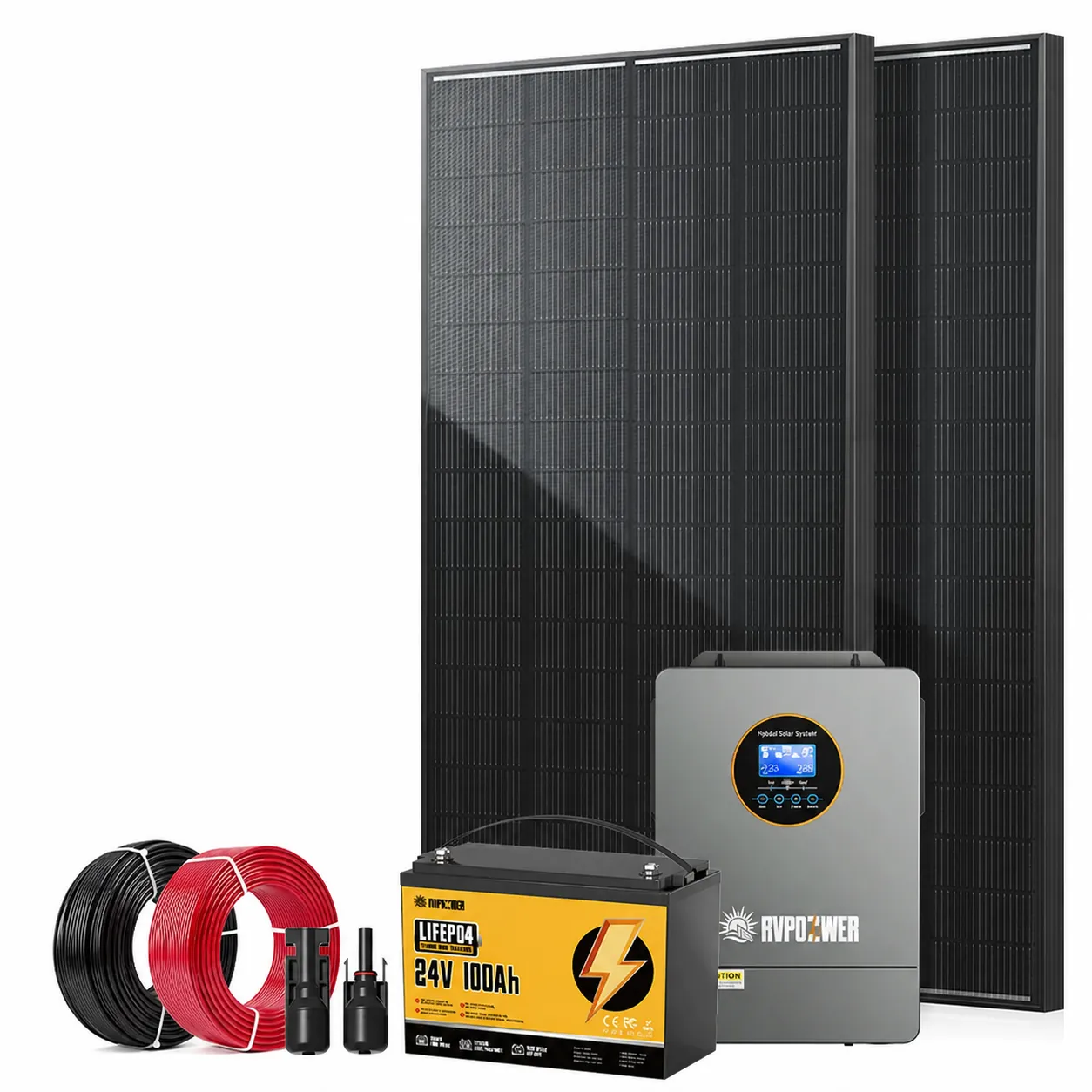
Custom kW/kWh
Design
OEM & Project
Support
System
Documentation
Global Project
Delivery
One Integrated Architecture, Matched Component by Component

Solar Array

MPPT / Hybrid Inverter

LiFePO4 Battery + BMS

AC / DC Loads

EMS Monitoring

Protection & Distribution
Typical System Configurations
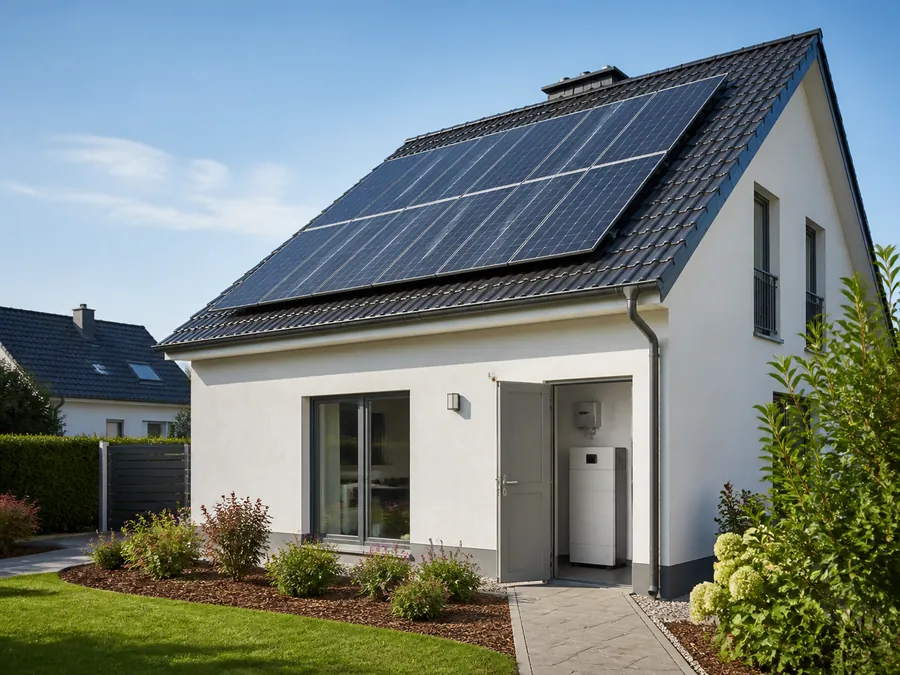
Residential & Backup
Example range (for reference)
3–20 kW / 10–80 kWh
Best for Homes, villas, small offices, essential backup
Operating modes Grid-tied, backup, off-grid
Customization Battery capacity, inverter size, mounting, enclosure
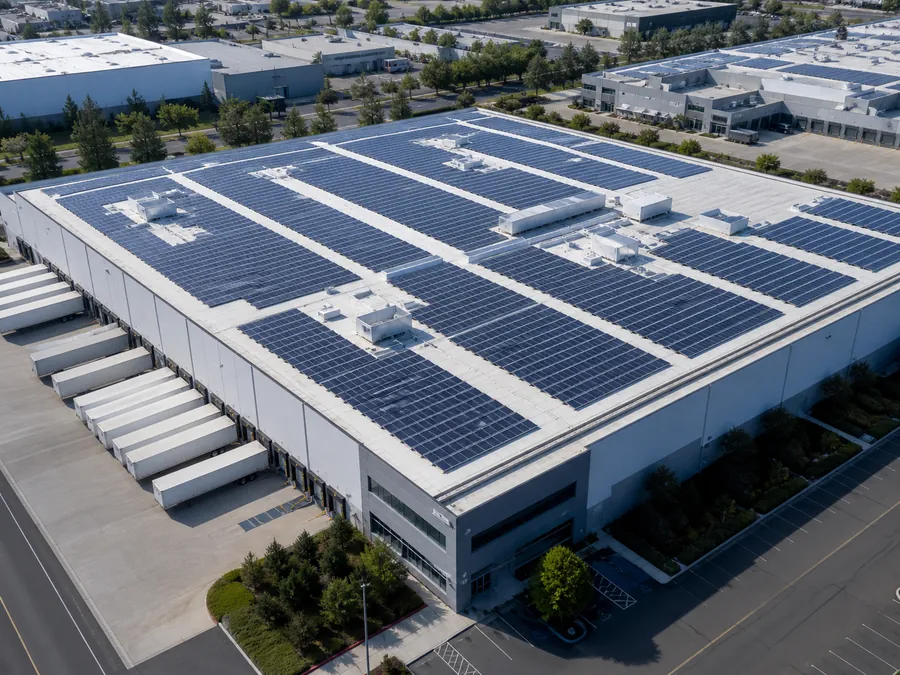
Commercial & Industrial
Example range (for reference)
30–500+ kW /
scalable storage
Best for Factories, warehouses, campuses, commercial sites
Operating modes Grid-tied, backup, peak shaving, TOU optimization
Customization Parallel systems, HV options, energy management
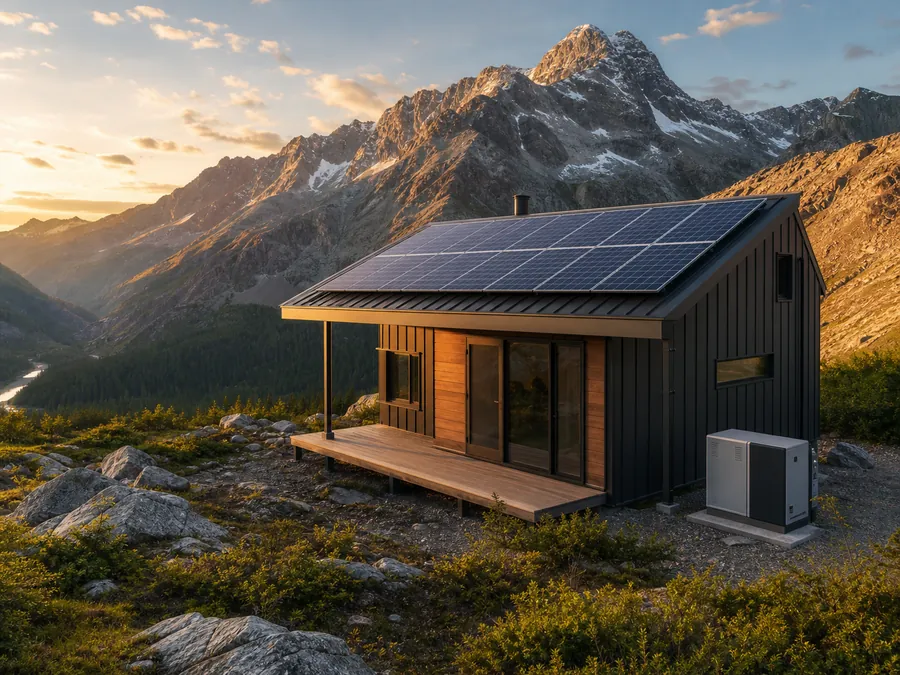
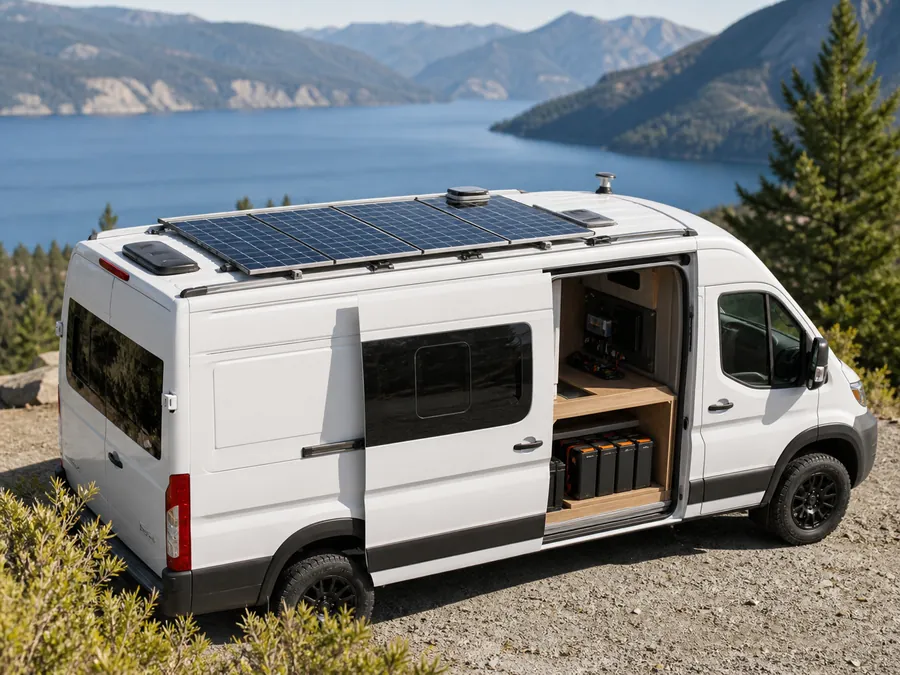
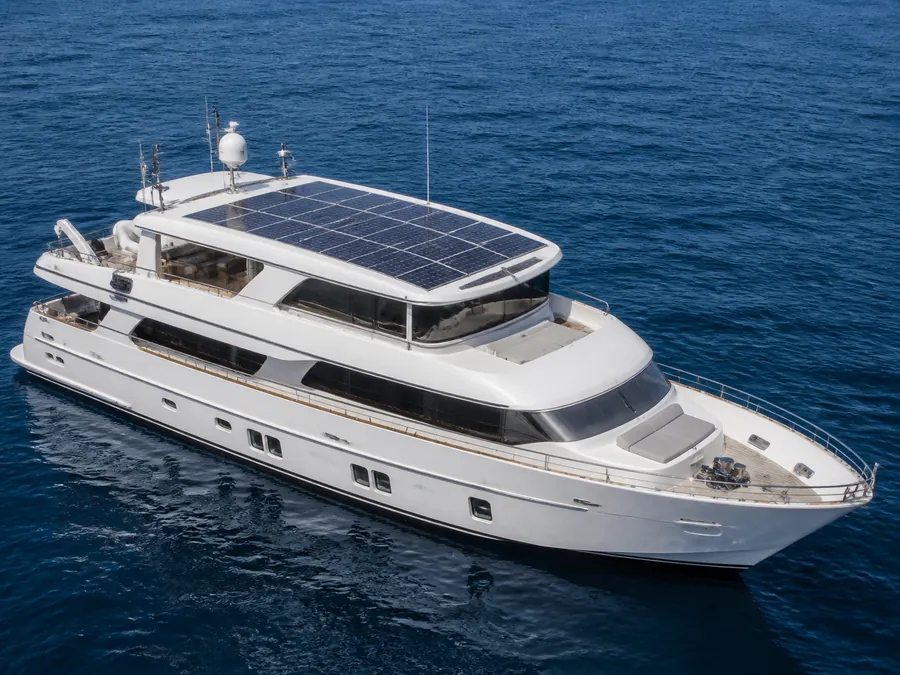
Remote & Mobile
Example range (for reference)
1–15 kW / 5–60 kWh
Best for Remote sites, telecom, RVs, boats and mobile units
Operating modes Off-grid, hybrid, backup
Customization Rugged design, DC/AC outputs, special enclosures
Ranges are examples for design discussion. Confirm the exact inverter, battery and supported operating mode against the final BOM and destination-market requirements.
System Sizing
System Sizing Starts with the Load Profile
Accurate sizing starts with the project data that determines performance, reliability and the right system configuration.
Submit Project Requirements✓
Installation location
✓
Grid-connected or Off-grid
✓
Daily energy consumption (kWh)
✓
System voltage & frequency
✓
Peak load (kW / kVA)
✓
Environmental conditions
✓
Required backup hours
✓
Certifications or standards
Core Components Selected as One System
Solar Panels
PV modules selected for the installation environment and energy target.
View Component → Hybrid Inverters
Power conversion matched to grid, backup and off-grid operating requirements.
View Component → LiFePO4 Batteries
Battery capacity, voltage and communication selected as part of one system.
View Component →Grid-Tied, Backup and Off-Grid Planning
Grid-Tied

A grid connected PV system supplies site loads. Export depends on the selected inverter, metering and local utility approval.
Solar + Battery Backup

Battery storage supports critical loads during a grid outage.
Off-Grid

Independent solar and battery power without grid connection.
Peak Shaving &
Time-of-Use

Optimize grid import and stored energy around the load profile.
Real product system flow
PV Array
→
Hybrid Inverter
→
Storage + BMS
↔
Power conversion and load connection
✓
BMS / EMS monitoring and protection
Engineering & Customization
From Requirement to Buildable System Design
Our engineering team turns your requirements into a complete, buildable and deliverable solar power system.
Load Analysis
SLD Design
BOM & Specifications
Communication Protocols
Cabinet & Layout Design
Local Voltage & Frequency
OEM Branding Options
Packaging & Documentation

Designed for
Project Delivery
✓
Incoming inspection of key materials and components
✓
System configuration and traceability management
✓
Battery and BMS function validation
✓
Pre-shipment functional testing
✓
Inverter and system compatibility verification
✓
Certification documents and packing list provided
A Clear Path from Data to Delivery
1
Requirements
Collect project data and load profile
2
System Design
Engineering design and component selection
3
Technical Review
Review, optimization and confirmation
4
Quotation
Detailed quotation and commercial terms
5
Production & Validation
Manufacturing and system testing
6
Shipment
Packing, delivery and logistics tracking
SOLAR POWER SYSTEM FAQ
Solar Power Systems FAQ
Answers for complete solar power system projects.
What components are included in a complete solar power system?
A complete configuration can include PV modules, mounting and BOS components, a hybrid inverter or PCS, LiFePO4 storage, BMS/EMS communication, protection and distribution equipment. Final scope depends on the operating mode and project requirements.
Which BMS, EMS and inverter communication protocols are supported?
Communication requirements are reviewed during system design. Share the selected inverter, battery, monitoring and control requirements so the engineering team can confirm compatible interfaces and protocol options for the configuration.
How are solar array, inverter and LiFePO4 battery sizes matched?
Match PV array power in kW, inverter output and usable battery energy in kWh to daily consumption, peak loads and the backup target. For a grid tie solar system with battery backup, also confirm which loads the backup output can supply and how they are isolated from the utility during an outage.
What project information is required for design and quotation?
Useful inputs include site and climate, daily energy consumption, peak load, voltage and frequency, grid or off-grid requirement, backup target, required quantity and destination market.
Can the system support grid-tied, backup and off-grid modes?
Grid intertie solar electric systems require equipment designed for the connection arrangement and destination market. Confirm grid voltage, frequency, export controls, required documentation and utility approval before selecting a grid tied solar power kit. Backup and off-grid functions depend on the exact inverter, battery and wiring design; a grid connection alone does not provide outage power. A compatible grid-tied design can use solar panels without a battery for on-site generation while the grid is available. If outage backup is required, specify the essential circuits and required backup duration when requesting the system.
Can systems be customized for OEM, EPC or distributor projects?
Project configurations can be discussed for OEM, EPC and distribution requirements, including system voltage, capacity, enclosure, documents, branding and packaging. Share the application and target specification for evaluation.
What should I check before adding solar panels to an existing system?
Before adding solar panels, provide the existing module and inverter models, string layout and battery details. Check the inverter’s PV input power, maximum voltage, MPPT range and input current against the proposed array, including site temperature conditions. Review mounting, cabling, protection and any connection-approval changes with the installer. Add on solar panels may require a revised design or equipment replacement.
How is battery backup duration determined?
Backup duration is based on the critical loads, their expected operating time, the desired depth of backup and site conditions. A load list or interval energy data gives the engineering team the best basis for sizing.
What documents can be included with a project order?
Document requirements are confirmed with the project scope. Depending on the selected configuration, the package can be discussed with items such as a BOM, connection information, operating instructions, packing list and product documentation.
How do I start a solar power system RFQ?
Send the application, installation location, daily consumption or load profile, peak demand, operating mode, target quantity and destination market. The engineering team can then review the requirements and prepare the next design step.
Plan Your Complete Solar Power System
Share your project requirements and our engineering team will provide a professional system design and quotation.
Request a Project QuoteProvide Basic Project Information
✓
Load profile
✓
Backup target
✓
Site & climate
✓
Quantity
✓
Voltage
✓
Destination market
