
Outdoor Solar System with Portable Panels & LiFePO4 Storage
Portable and flexible solar panels with LiFePO4 battery storage for camping, outdoor activities and power beyond the grid.
GET YOUR OUTDOOR SOLAR SOLUTIONOutdoor Solar Power & Storage
Combine portable solar generation with battery storage to support outdoor equipment where grid power is unavailable. Choose the panel format and storage capacity around your installation and daily energy use.
01
Collect solar energy
Foldable or flexible panels capture sunlight.
02
Control the charge
A compatible controller manages battery charging.
03
Store for later
LiFePO4 storage holds energy for later use.
04
Power your equipment
Supply matched DC loads, or AC loads through an inverter.
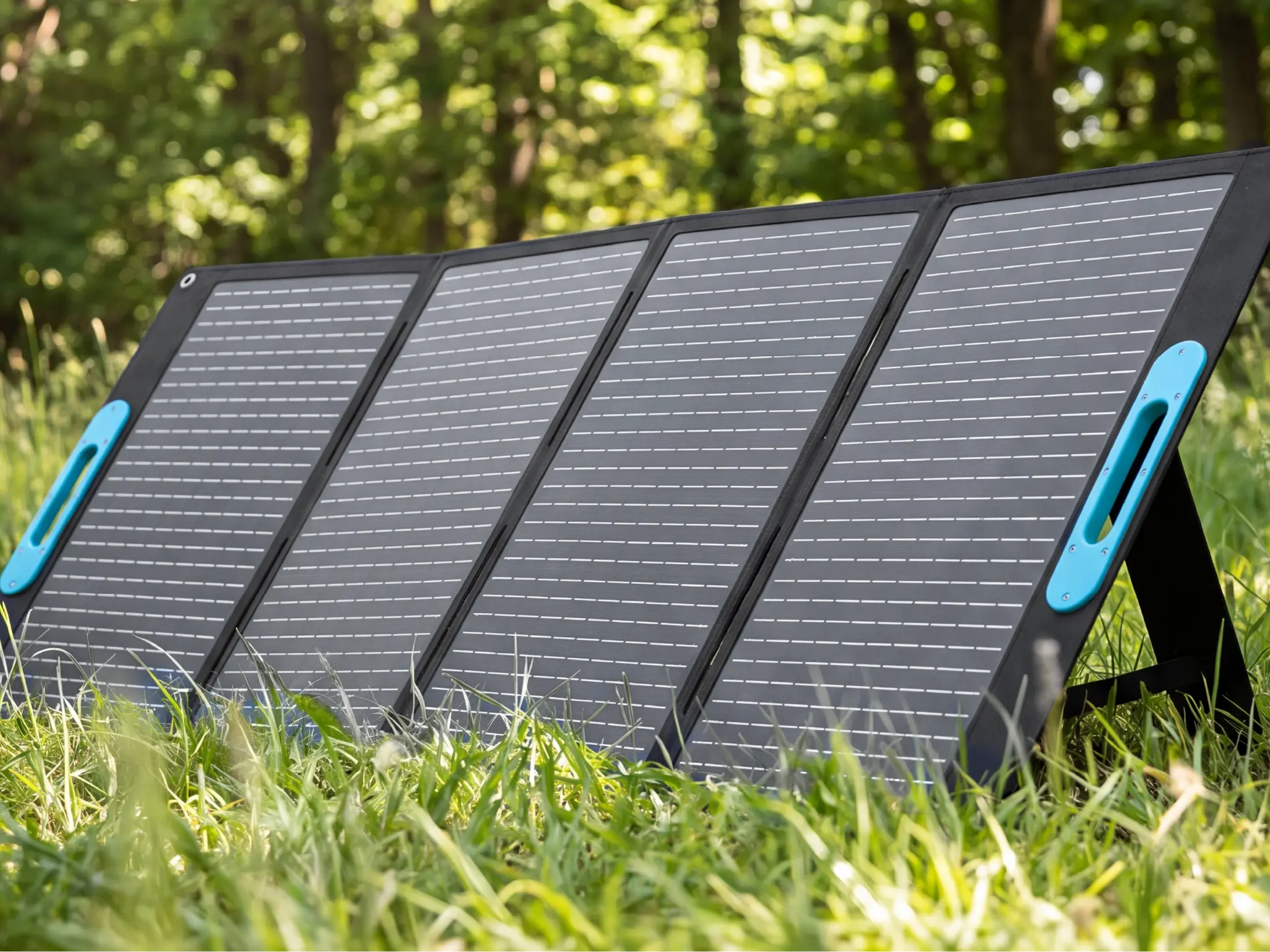
PORTABLE SOLAR PANELS
Unfold. Position. Collect sunlight.
Foldable solar panels are easy to transport, deploy and store for temporary outdoor use. Place them in available sunlight while keeping your camp where it suits you.
✓ Fold away between trips and during transport.
✓ Reposition throughout the day as sunlight changes.
✓ Match connectors and output to your charging equipment.
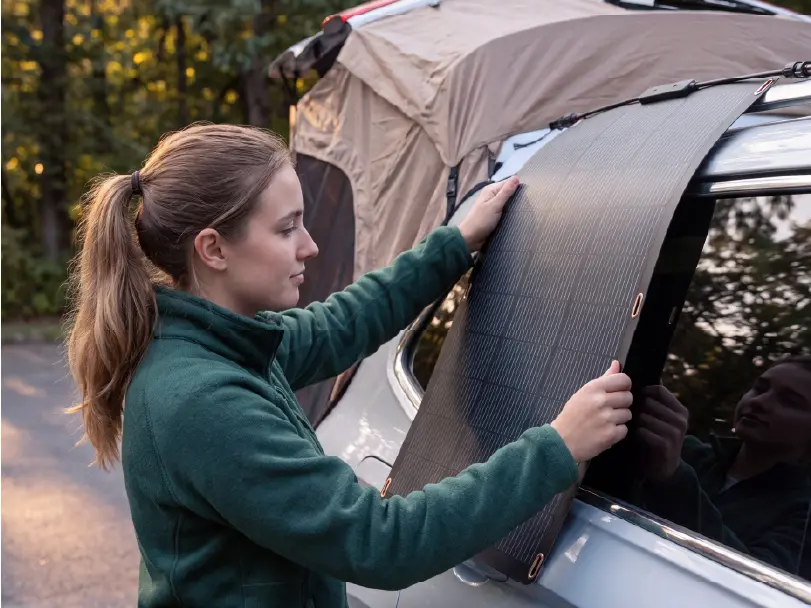
FLEXIBLE SOLAR PANELS
Solar generation for limited installation space
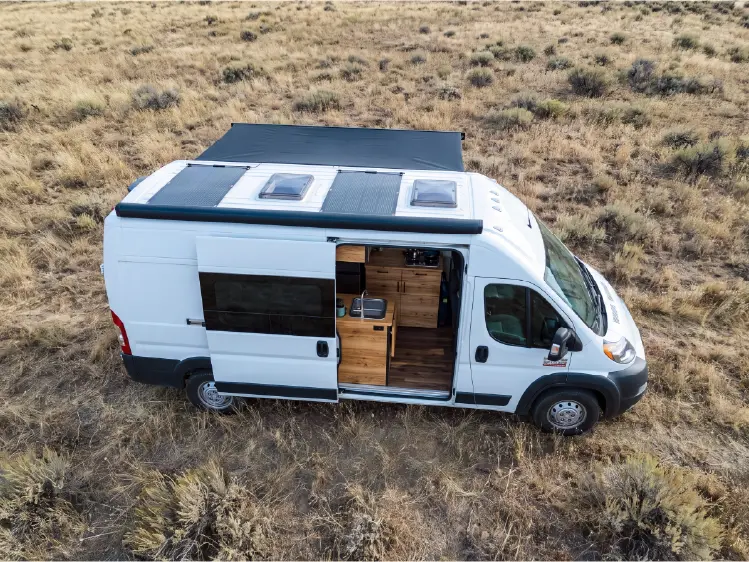
Lightweight flexible panels offer another option for selected vehicle roofs, curved surfaces and outdoor installations where a rigid panel may be difficult to accommodate.
✓ Choose panel dimensions to suit the usable surface.
✓ Check the model’s permitted bending radius.
✓ Follow the specified fixing and ventilation requirements.
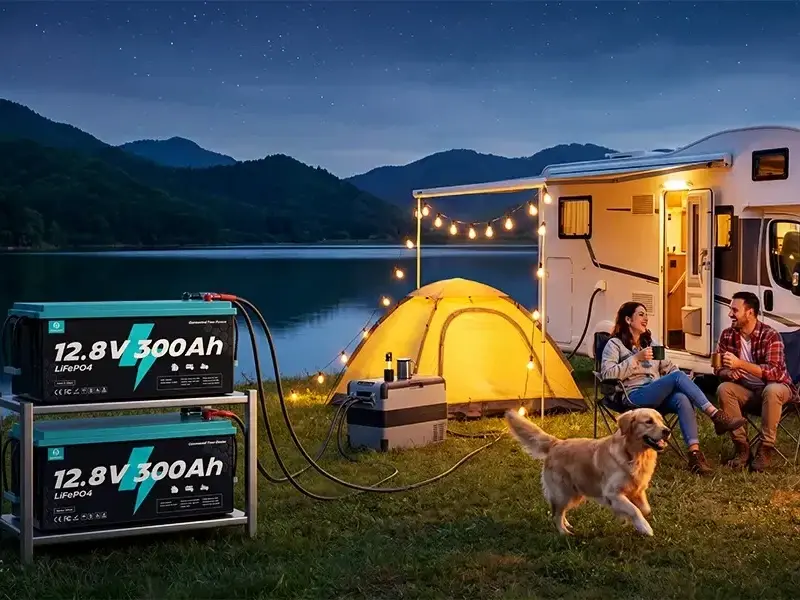
LiFePO4 BATTERY STORAGE
Store daytime energy for use after sunset
A LiFePO4 battery stores collected solar energy for lighting, communications and other matched equipment when sunlight is unavailable. The right capacity depends on your daily loads and the reserve you need.
✓ Plan capacity around power draw and operating hours.
✓ Select compatible charging and protection equipment.
✓ Include an appropriately sized inverter for AC loads.
Application Scenarios
From a weekend campsite to mobile equipment, start with the way you will use power outdoors.
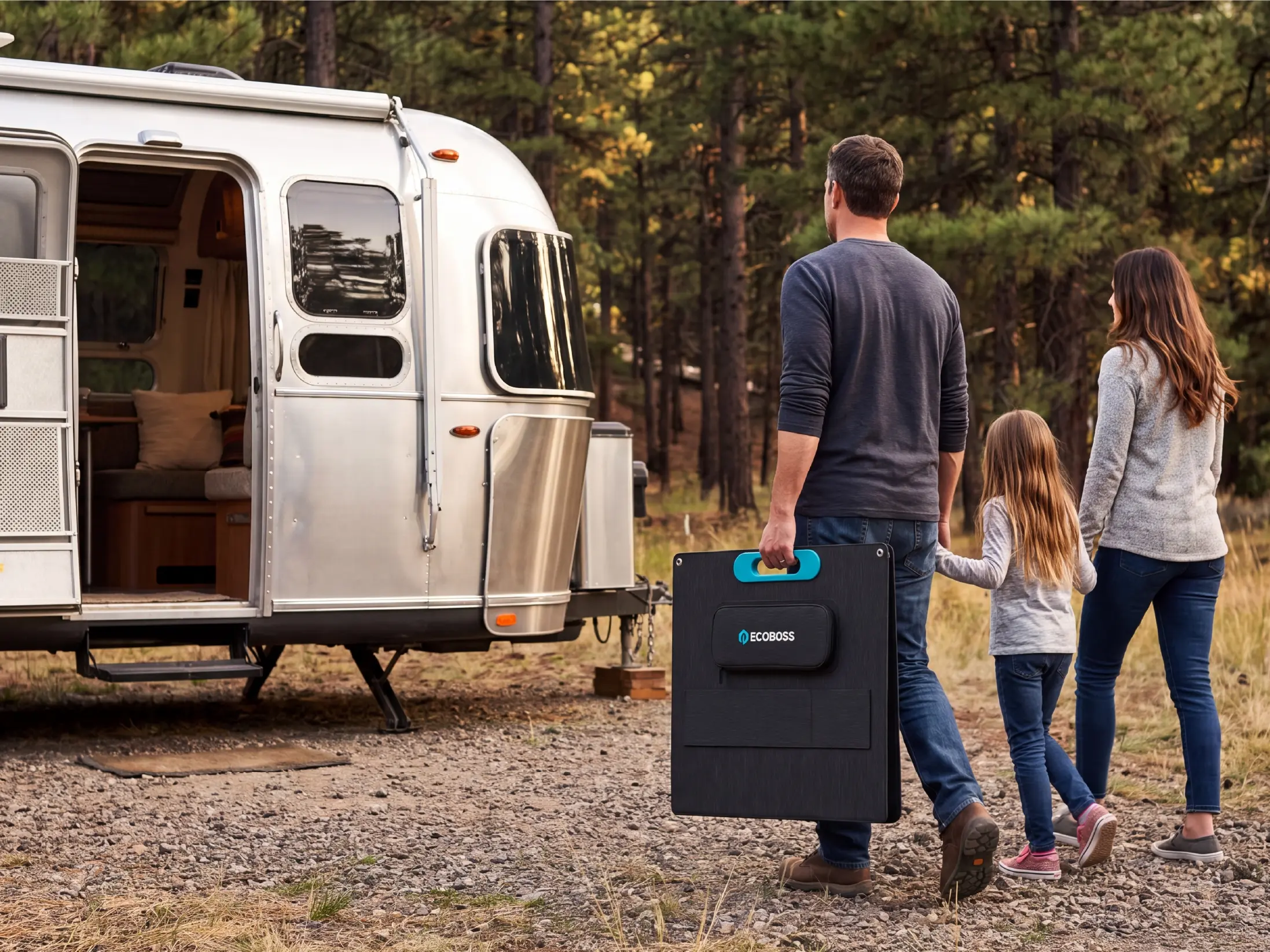
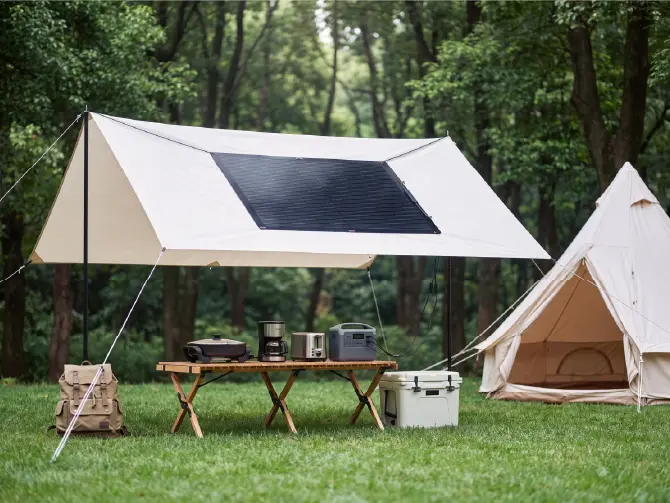
Camping & outdoor activities
Portable solar generation for temporary camps, lighting, device charging and compatible outdoor equipment.
RV & mobile travel
Select portable or surface-mounted panels and battery storage around your vehicle’s space and electrical system.
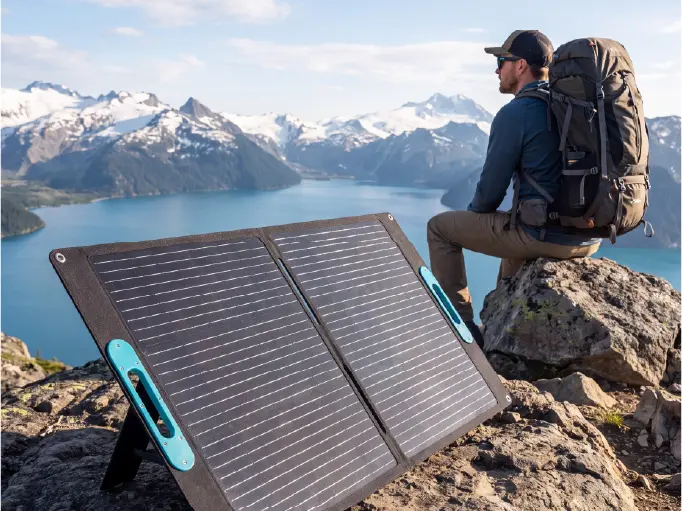
Remote locations & equipment
Plan a compact energy setup around communications, field devices and charging needs away from grid connections.
Choose Your Outdoor Solar Setup
Compare the deployment style first. Final panel and battery sizing should follow your actual energy demand.
FOLDABLE PANELS
Portable deployment
For temporary setups that need to be packed away, transported and repositioned.
Tell us your charging equipment, available sunlight and transport requirements.
FLEXIBLE PANELS
Lightweight installation
For selected surfaces where panel weight, shape and installation space guide the choice.
Tell us your usable dimensions, surface curvature and mounting conditions.
PANELS & LiFePO4 BATTERY
Solar + storage
For storing solar energy and supplying matched equipment beyond daylight hours.
Tell us appliance wattage, daily operating hours and desired reserve time.
Frequently Asked Questions
Practical answers for planning your outdoor solar and battery setup.
Should I choose foldable or flexible solar panels?
Choose foldable panels when portability, temporary deployment and storage matter most. Consider flexible panels when a suitable installation surface has limited space or curvature. Check the specific model’s installation instructions before choosing.
Can an outdoor solar system supply power at night?
Solar panels need light to generate electricity. A matched battery can store energy collected during the day for later use. Available runtime depends on usable battery energy, equipment demand and system losses.
Do I need a solar charge controller and an inverter?
A standalone battery system requires compatible charging control. AC equipment also needs a suitable inverter. Some integrated products include these functions; check the actual product specification rather than assuming they are built in.
How do I estimate the battery capacity I need?
For each device, multiply its power in watts by daily operating hours, then add the results to estimate watt-hours per day. Allow for inverter losses, usable battery capacity and your required reserve. Panel sizing also depends on local sunlight.
Can I leave the equipment outdoors in rain?
Outdoor suitability varies by model and component. Check each product’s ingress-protection rating, temperature limits and installation requirements. Keep connections, charging equipment and batteries protected as specified by their manufacturers.
What information should I provide for a system recommendation?
Share the application, country of use, appliance wattage, daily operating hours, installation space and procurement quantity. Include battery voltage and existing equipment details when expanding an existing system.