
Flexible Solar Panels for Curved & Mobile Installations
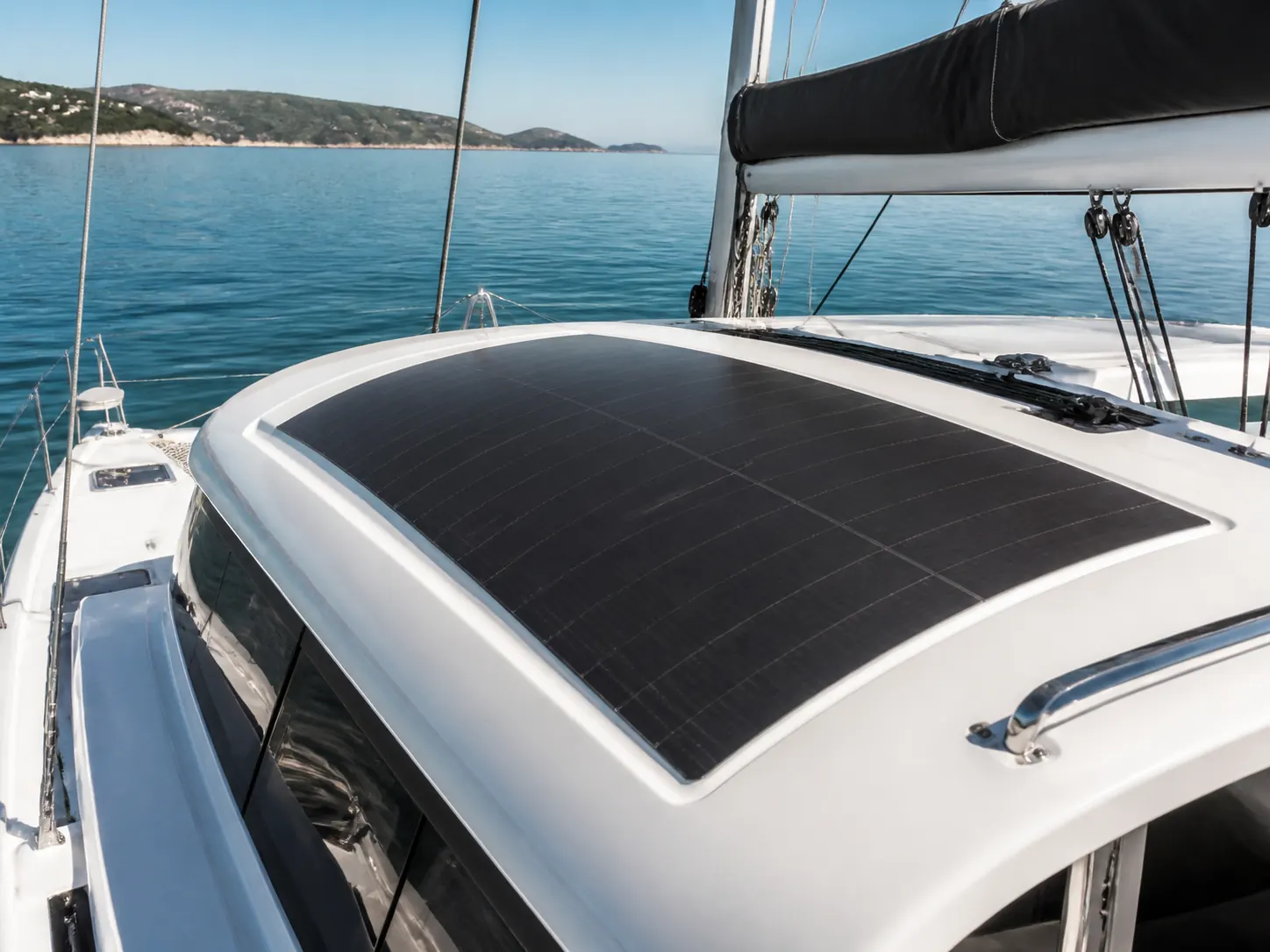
Flexible solar panels for RVs, boats, marine decks, curved roofs and off-grid projects. Explore 100W and 200W flexible solar panel options for B2B wholesale and OEM enquiries, with model-specific technical support and installation review.
B2B supply support
OEM / ODM options
Sample evaluation
Project documentation
CORE BENEFITS
Engineered to fit where rigid panels cannot
Flexible panel construction helps open installation options on curved, mobile and weight-sensitive surfaces. Confirm final installation conditions against the selected model.
Lightweight construction
Suitable for projects where roof loading and handling matter.
Flexible profile
Designed for surface-fit applications, subject to model limits.
Low-profile format
Helps maintain a streamlined installation approach.
Mobile applications
Considered for vibration, movement and changing conditions.

PRODUCT RANGE
Choose the right flexible panel
Final electrical, dimensional and installation specifications depend on the selected model. Confirm every value with the approved datasheet.
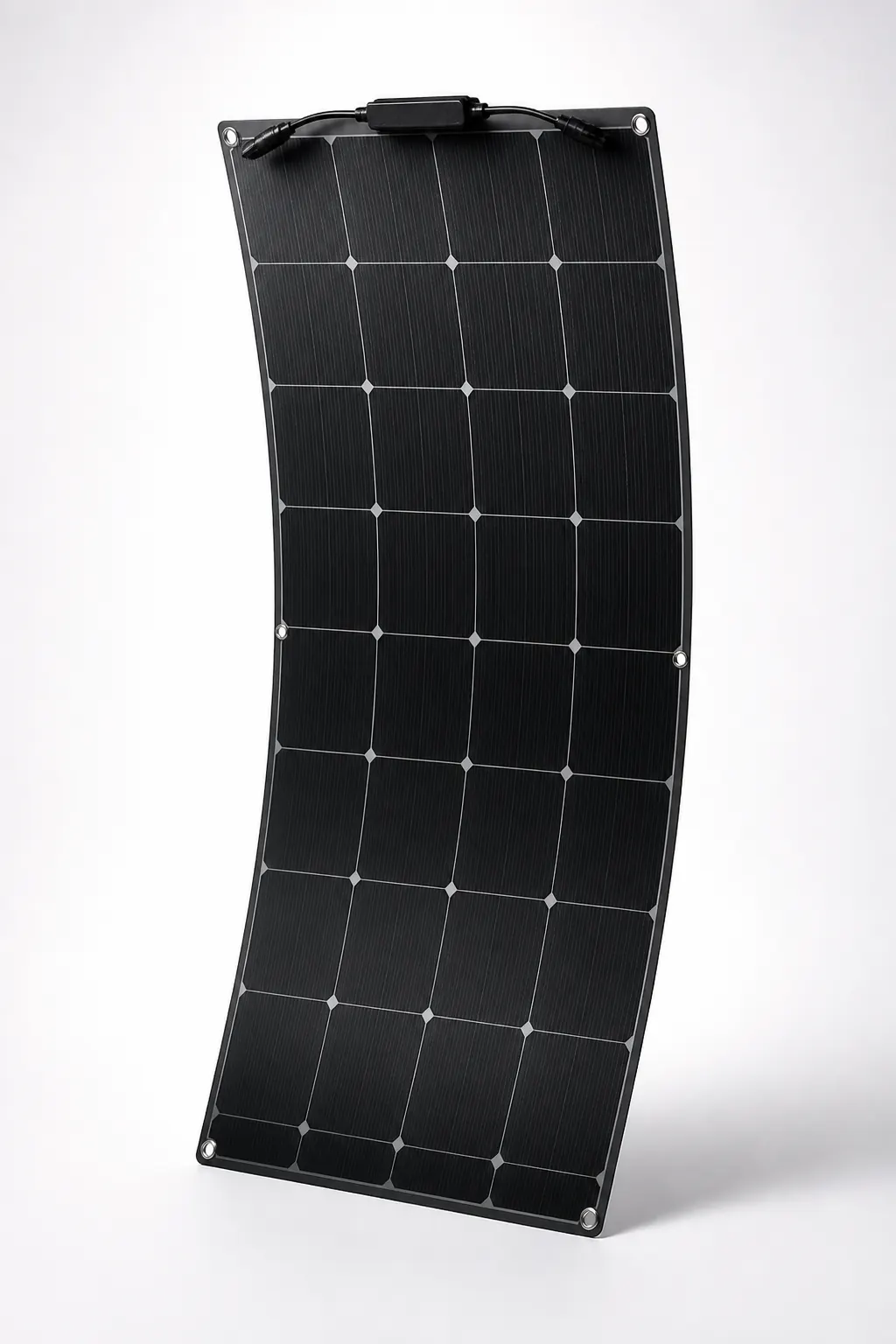
100W Flexible Solar Panel
For smaller RV, boat, cabin and portable auxiliary charging projects.
Max Power (Pmax)
100W
Cell Type
Monocrystalline
Voltage / Current
18.5V / 5.41A
System Voltage
12V DC
Dimensions
915 × 610 mm
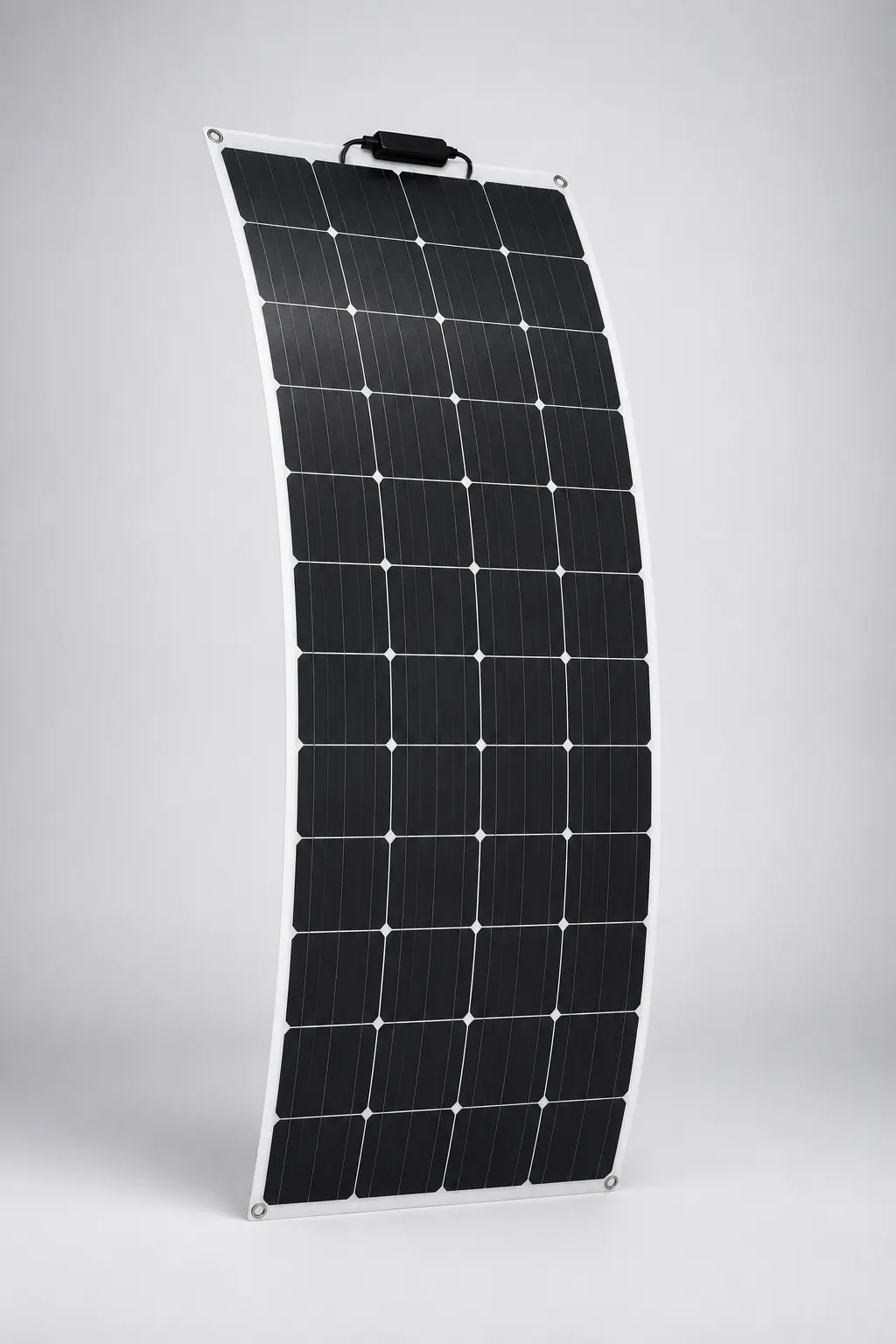
200W Flexible Solar Panel
For larger mobile roofs, marine surfaces and flexible-array projects.
Max Power (Pmax)
200W
Cell Type
Monocrystalline
Voltage / Current
18V / 11.11A
System Voltage
12V DC
Dimensions
1480 × 700 mm
MATERIAL STRUCTURE
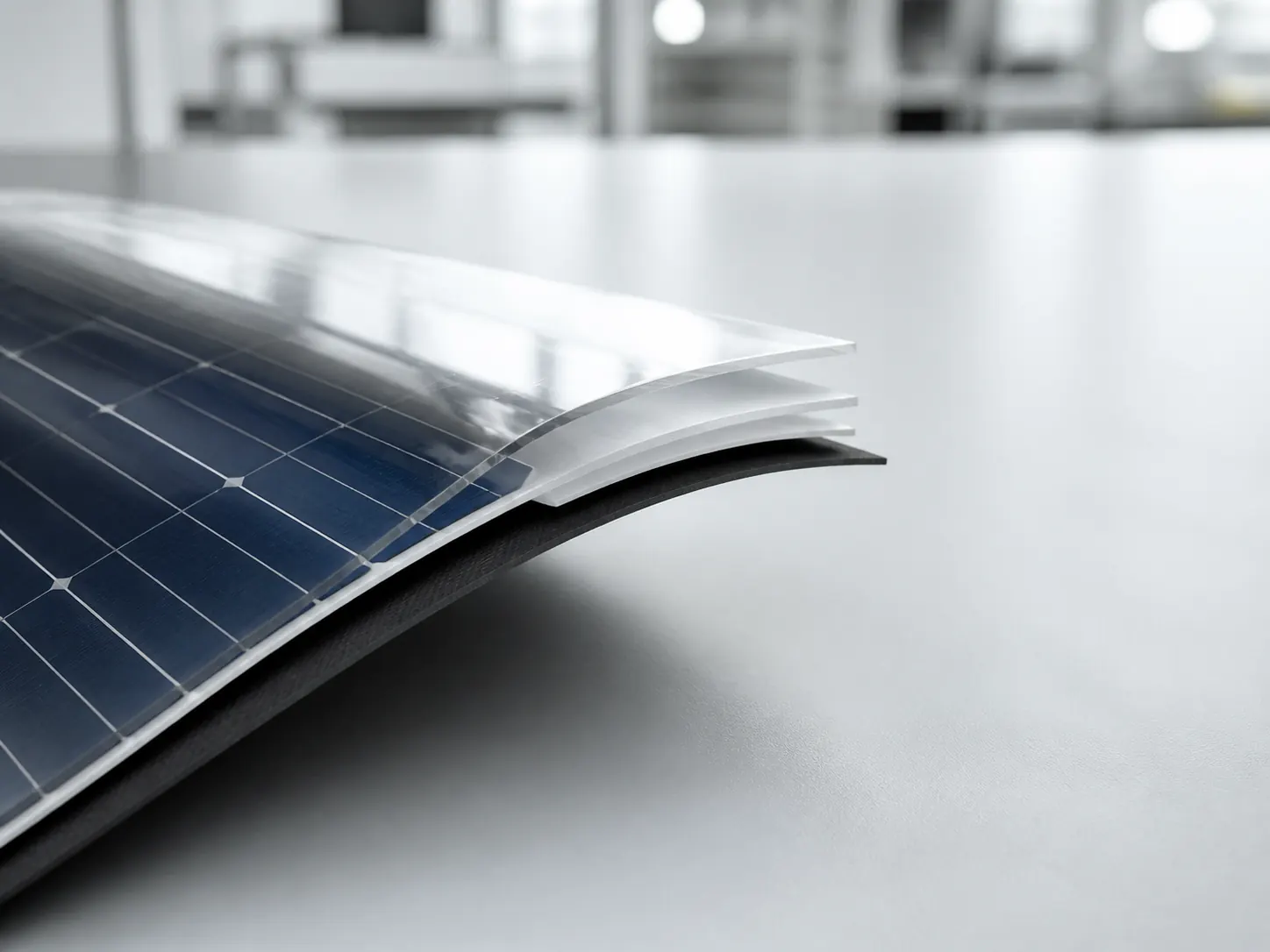
Built as a lightweight solar laminate
The construction is presented here as a material-system overview. Review exact layer composition and suitability in the approved product documentation.
ETFE protective surface
Surface material selection should be confirmed against the approved model.
Encapsulation layer
Supports the protected solar-cell assembly.
Solar-cell layer
Cell configuration and output characteristics vary by model.
Composite backsheet
Supports the panel structure for its intended installation condition.
Designed for weight-sensitive and curved applications
Choose the installation concept with the final surface, model-specific limits and electrical design in view.
RV & camper roofs
Low-profile solar for mobile roof installations.
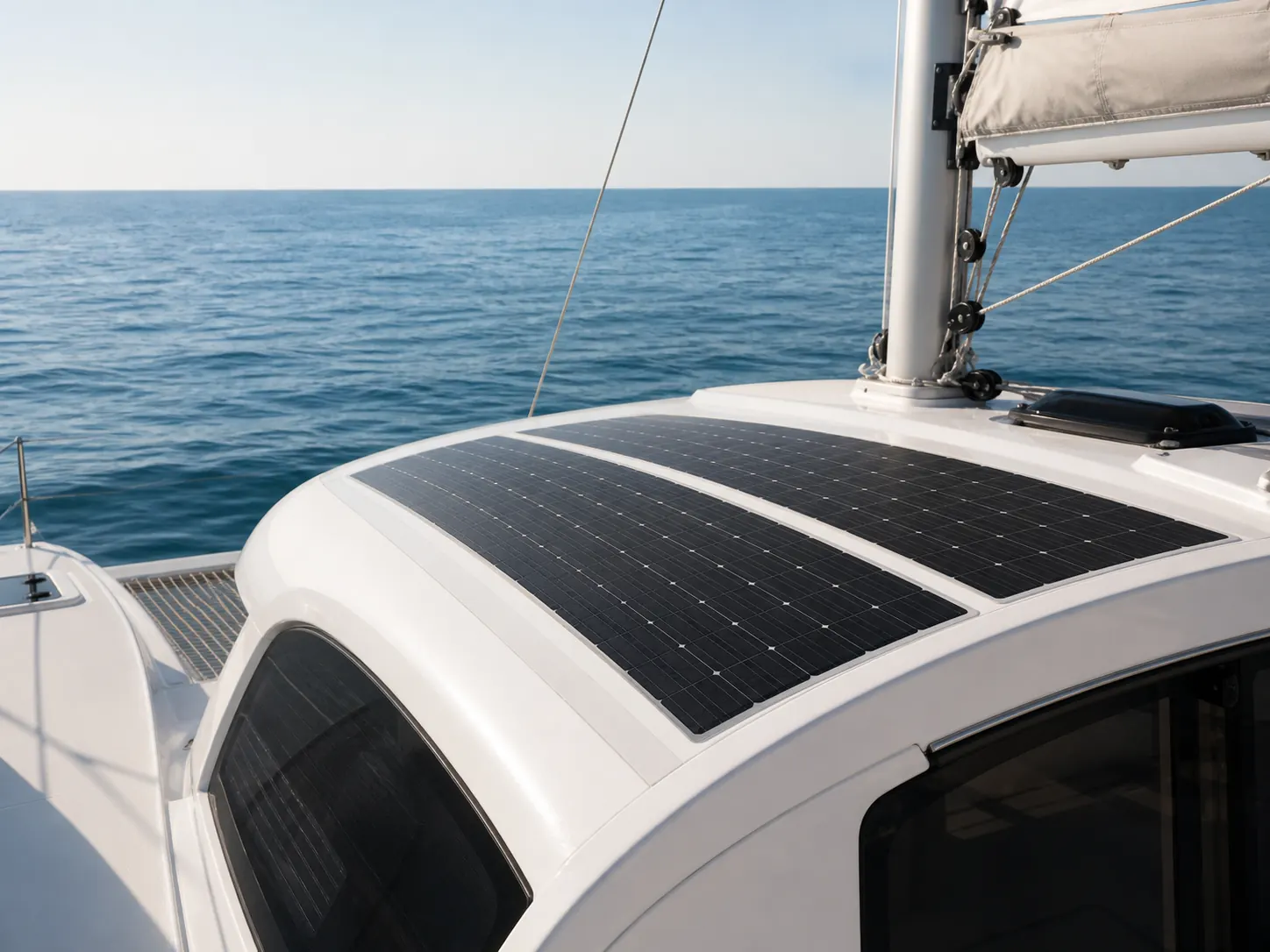
Marine & yacht decks
Surface-fit solar for suitable marine projects.
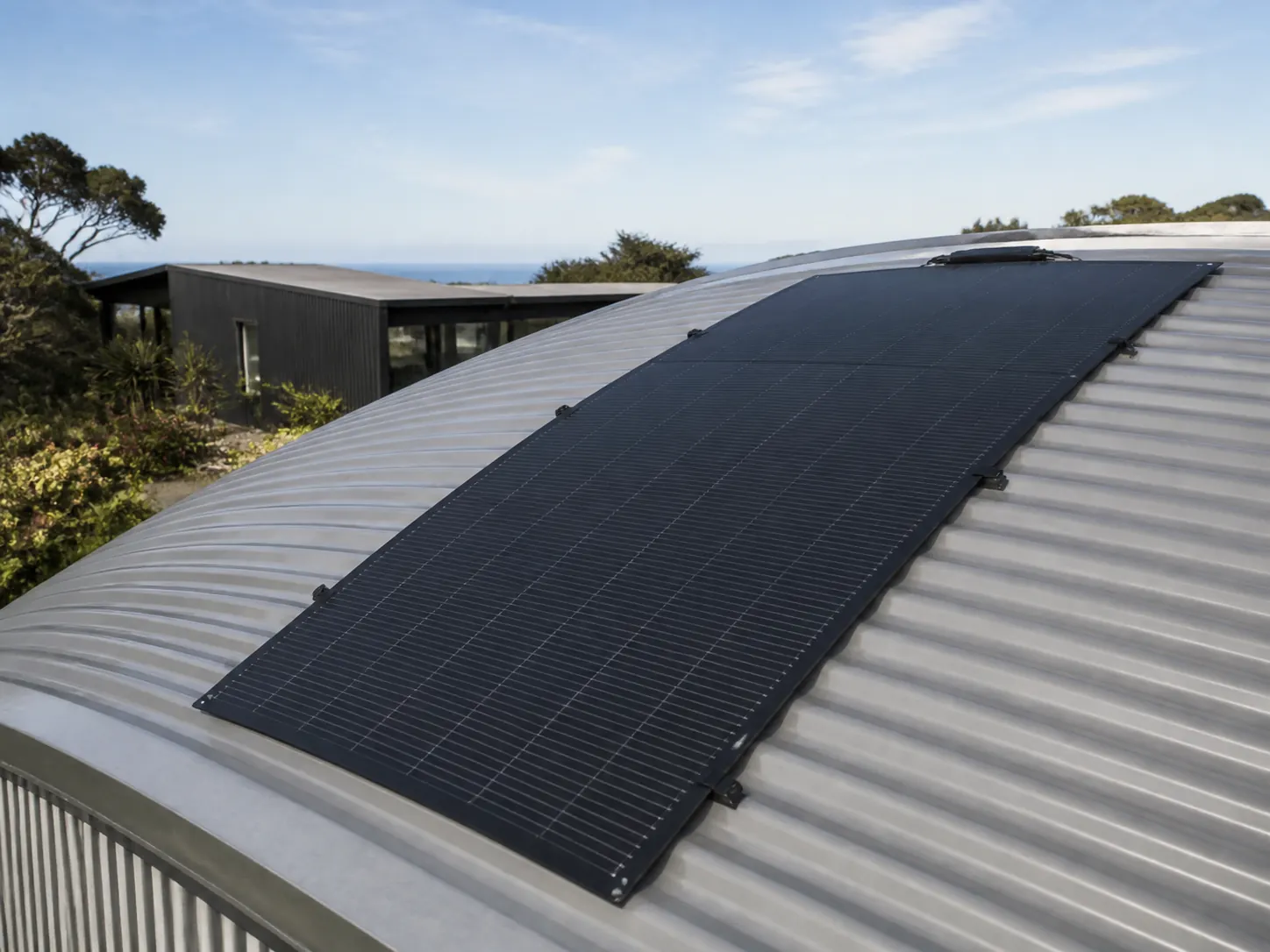
Curved metal roofs
Review roof profile and mounting method before selection.
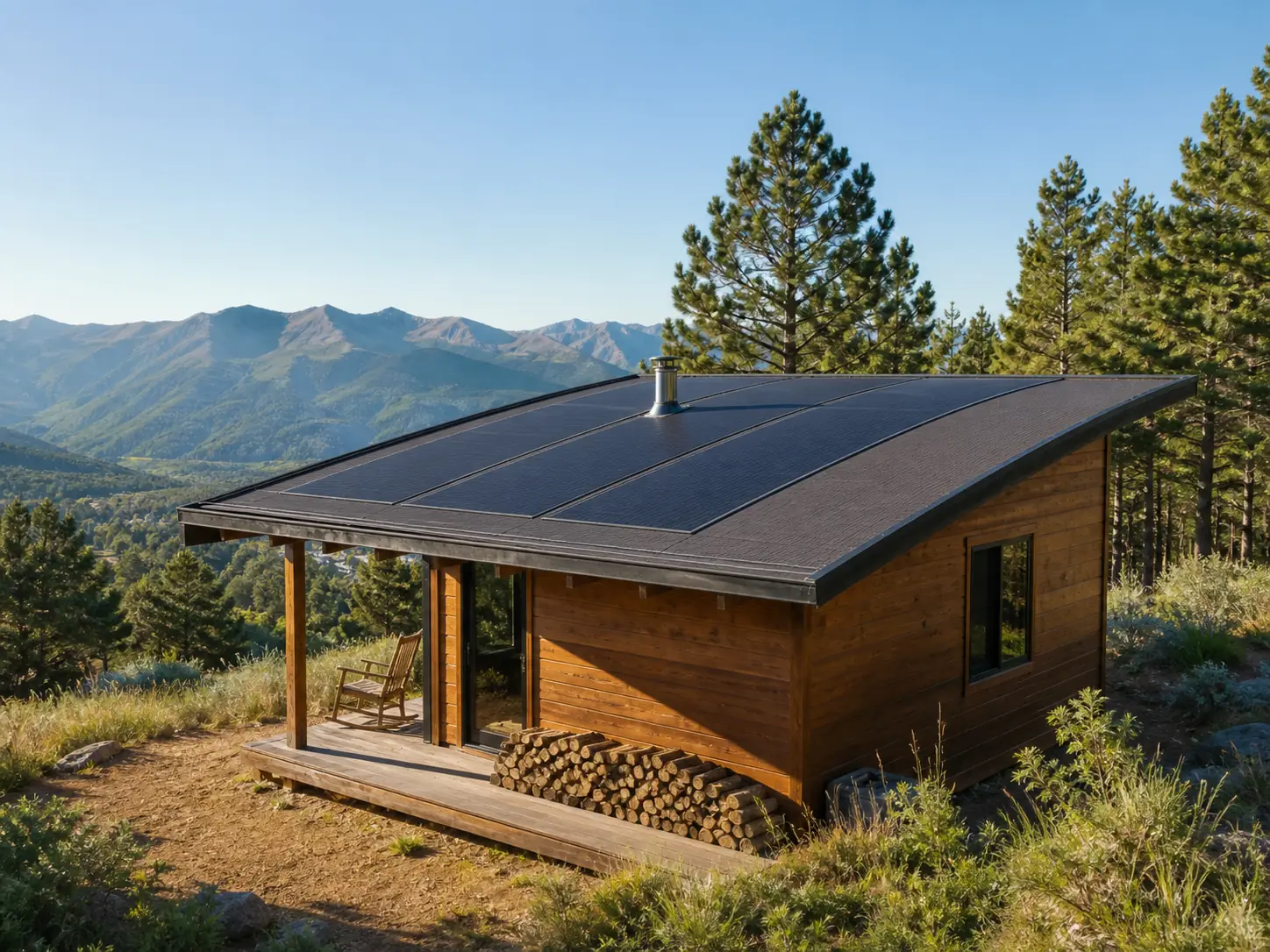
Off-grid cabins
Support compact solar installations for remote projects.
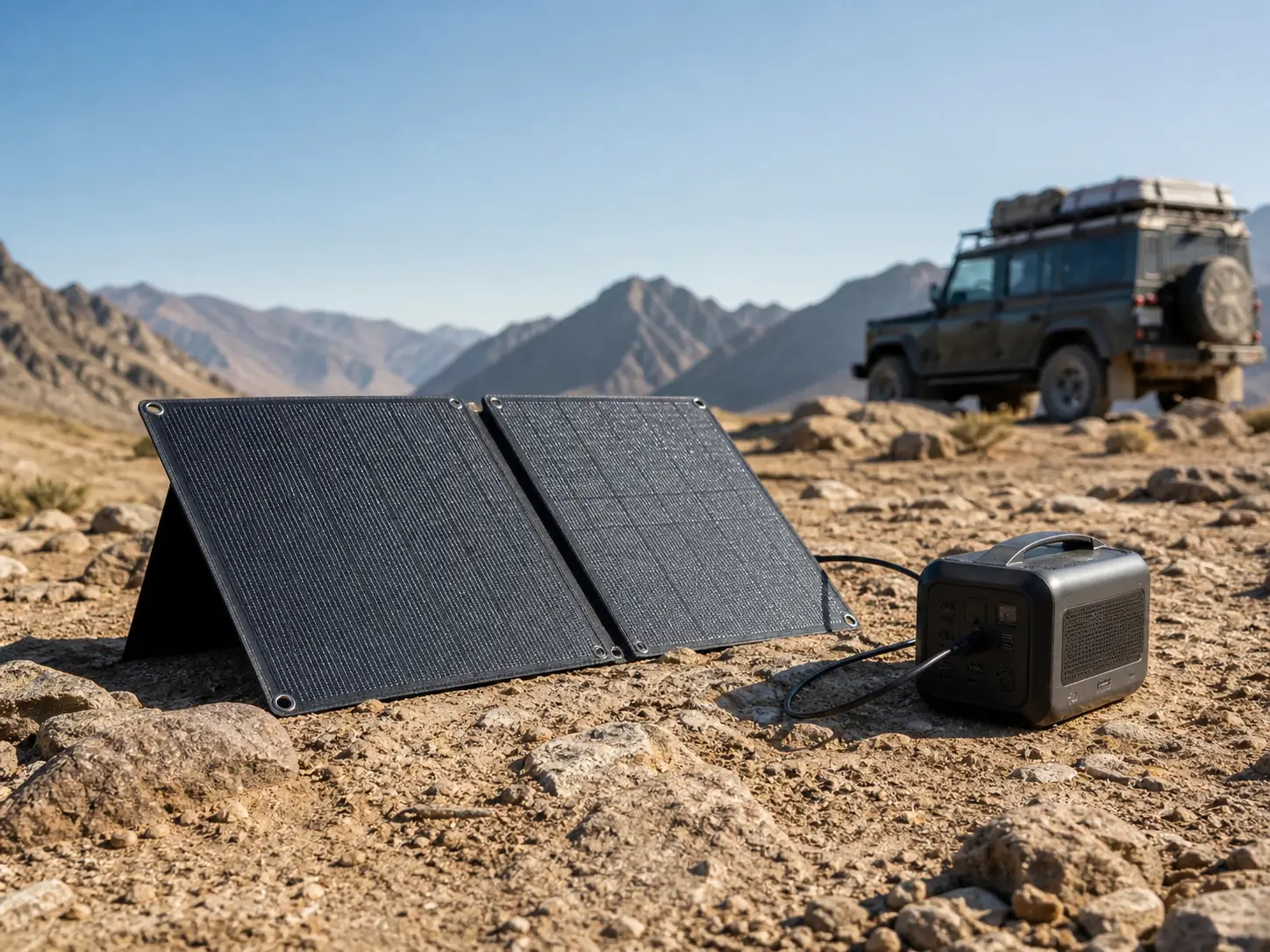
Portable projects
Plan portable auxiliary charging around the intended equipment.
SELECTION GUIDE
Flexible versus rigid: choose around the surface
The right panel format depends on installation geometry, required rigidity, available surface area and the final electrical design. Verify all product-specific requirements before selection.
Selection factor
Flexible panel
Rigid framed panel
Installation surface
Can be considered for compatible curved or low-profile surfaces.
Typically considered for flat, framed mounting structures.
Project priority
Surface-fit, profile and handling can be part of the selection review.
Frame rigidity and conventional mounting can be part of the selection review.
Before approval
Confirm allowable bend, mounting approach and approved specifications.
Confirm mounting structure, wind loading and approved specifications.
Plan the installation system before the panel is selected
Use the project brief to review the surface, mounting approach, cable path and final electrical connection together.
1
Review the surface
Confirm available area, profile, material and installation access.
2
Choose the model
Match the product to the approved project and model limits.
3
Plan mounting
Define the compatible mounting or adhesive approach as required.
4
Route the cables
Plan protected connections, cable path and junction-box location.
5
Validate the system
Confirm final electrical integration and project documentation.
OEM & WHOLESALE
Build the flexible-panel scope around the application
Use one commercial and technical brief to capture the panel range, target application, branding, packing and documentation requirements for the project.
Discuss Your RequirementModel selection
Review suitable output range and installation context.
Label & documentation
Record requested branding, manuals and project information.
Packing requirements
Discuss packaging and shipping expectations for the order.
Project review
Confirm surface-fit and component requirements before release.
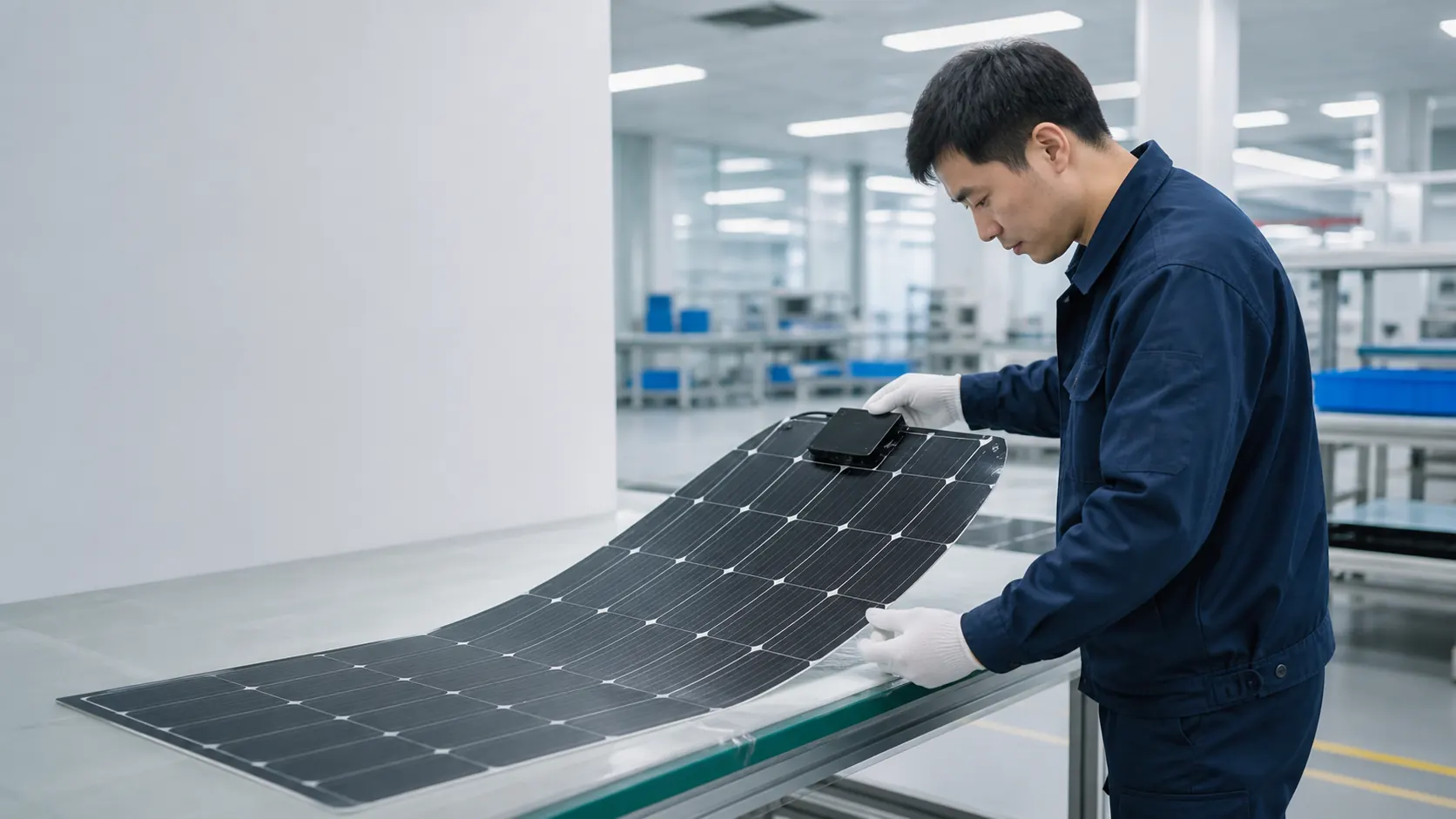
QUALITY VALIDATION
Quality checks that keep the project scope visible
Confirm expected inspection points and documentation requirements before a batch is released for packing.
Surface review
Check the panel face and visible material condition.
Junction-box review
Confirm the specified interface and connection condition.
Model record
Match the approved reference and related documentation.
Packing review
Prepare the selected panels and materials for dispatch.