
Marine Lithium Batteries & Battery Systems for Boats
Wholesale marine LiFePO4 batteries from a dedicated marine battery system manufacturer. Honray supplies boat battery systems, marine battery storage systems, and trolling motor lithium packs in 12V, 24V, and 48V with smart BMS and international certifications.
Boat House Power
Reliable energy for lights, electronics and appliances.
Trolling Motor Systems
Strong, efficient power for trolling motors and bow thrusters.
Deep-Cycle Use
LiFePO4 chemistry for long life and stable performance.
Expandable Battery Bank
Build a scalable marine energy storage battery bank for yachts, sailboats, houseboats, and electric boats within approved series/parallel limits.
Choose Your Marine Lithium Battery
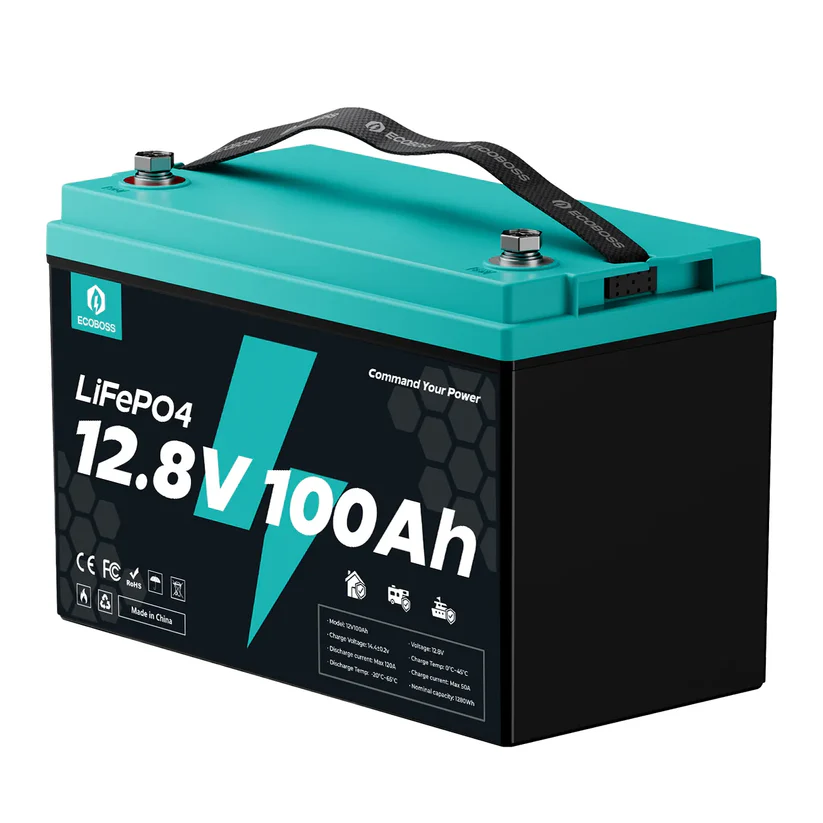
12.8V 100Ah
Energy
1.28kWh
Typical Use
Marine · RV · Solar
Expansion
Up to 4S4P
12.8V 200Ah

Energy
2.56kWh
Typical Use
Marine · Trolling · RV
Expansion
Up to 4S / 4P
12.8V 300Ah

Energy
3.84kWh
Typical Use
Marine · House Bank · Solar
Expansion
Up to 4S / 4P
24V 100Ah

Energy
2.56kWh
Typical Use
Marine · Trolling Motor
Expansion
Up to 4P2S
48V 100Ah

Energy
5.12kWh
Typical Use
High-Power · Off-Grid
Expansion
Parallel Up to 4
12.8V 100Ah Mini

Energy
1.28kWh
Typical Use
Compact Marine Spaces
Expansion
Up to 4S4P
12.8V 100Ah Slim

Energy
1.28kWh
Typical Use
Tight Marine Installations
Profile
2.87in Ultra-Thin
Compare lithium batteries for boats by use, including house loads, navigation electronics and trolling motors. Confirm the load, BMS current, cabling and protection for the selected model.
Select by Boat Type and Application
Application
System Voltage
Critical Selection Factor
Suggested Capacity Range
Trolling Motor
12V / 24V / 36V / 48V
Peak current, runtime and motor voltage match
100Ah - 300Ah
Boat House Bank
12V / 24V / 48V
Usable capacity, inverter current, runtime
100Ah - 600Ah+
Sailboat & Yacht
12V / 24V / 48V
Deep-cycle life, weight and space
100Ah - 800Ah+
Marine Solar Storage
12V / 24V / 48V
Solar input, charge current and storage capacity
100Ah - 1000Ah+
Exact sizing depends on your loads, runtime and system design.
Match System Voltage and BMS Current
Trolling Motor /
Inverter / House Loads
→
Maximum
Continuous Current
→
BMS
Rating
→
Cable & Fuse
Selection
→
Marine
Battery Bank
Size the BMS, cables and protection for the actual maximum load.
Choose a Lithium Trolling Motor Battery
1
Confirm Motor Voltage
Match battery system and motor voltage.
12V System
24V System
48V System
2
Check Maximum Current
Verify the motor max current at full thrust.
3
Set Required Runtime
Estimate runtime at typical operating current.
4
Verify Charger Compatibility
Use a charger compatible with LiFePO4 and system voltage.

Marine Installation & Corrosion-Aware Protection
✓
Dry & Secured Compartment
Install in a clean, dry and secured location.
✓
Protected Terminals
Keep terminals covered and protected.
✓
Tinned Copper Cable
Use marine-grade tinned copper conductors.
✓
Cable Strain Relief
Secure cables to prevent movement and strain.
✓
Correct Fuse or Breaker
Install appropriate protection close to the battery.
✓
Accessible Isolation
Provide an accessible disconnect switch.
▲ Confirm any waterproof or corrosion-protection rating against the selected product specification.
Solar, Alternator and Shore Charging
MPPT Controller
DC-DC Charger
AC Charger
LiFePO4 Marine
Battery Bank
Trolling Motor
Inverter
12V Loads
Match charger profile, voltage and current to the selected battery.
Built for Marine Power Applications
Smart BMS Protection
Over-charge, over-discharge, over-current and short-circuit protection.
Deep-Cycle Capacity
Stable LiFePO4 chemistry for long cycle life and consistent performance.
Low-Temperature Option
Heating option for cold weather operation where specified.
Series & Parallel Expansion
Scale capacity and voltage only within approved product limits.
Power the Essential Onboard Loads
Trolling Motor
Navigation Electronics & Fish Finders
Lighting
Refrigeration
Bilge & Water Pumps
Inverter Loads

OEM & Private Label Marine Battery Solutions
We help marine brands, boat builders and distributors develop custom marine-grade lithium battery packs and OEM LiFePO4 battery solutions for marine power systems.
Voltage & Capacity
Custom voltage, capacity and energy configurations for the required onboard loads.
BMS Current & Communication
Custom BMS current ratings, protocols and smart monitoring options.
Enclosure & Terminals
Custom cases, protected terminals and application-specific mounting options.
Low-Temperature Configuration
Optional heating configurations for dependable cold-weather operation.
Logo & Packaging
Custom labels, manuals, cartons and private-label presentation.
Samples & Production
Prototype review, sample approval and scalable bulk-order support.
Quality Checks for Marine Battery Packs
1
Cell Matching
Voltage and capacity matching and grading.

2
Pack Assembly
Precision assembly with secure connections.
3
BMS Function Test
BMS function and safety protection testing.

4
Charge/Discharge Test
Full performance testing and data verification.

5
Export Packing
Secure packing for safe transport.

Complete Your Marine Power Setup

Marine Solar Panels
High-efficiency marine solar panels and solar panels for sailboats to recharge your boat battery bank reliably.
View Marine Solar Panels → Marine Solar Systems
Integrated marine solar systems combining panels, LiFePO4 storage, and chargers for yachts and boats.
View Marine Solar Systems →Marine Lithium Battery FAQs
Which LiFePO4 battery is best for a trolling motor?
Start with the motor’s rated voltage and maximum current, then size usable amp-hours for the required runtime. The BMS continuous-current rating must exceed the real operating load with an appropriate engineering margin.
Can lithium batteries be used safely on boats?
Yes, when the selected battery, BMS, charger, cabling, over-current protection and installation environment are matched correctly. Install the battery securely in a clean, dry and serviceable compartment.
Which BMS current and corrosion protections are required?
Choose the BMS from the maximum continuous and surge load, not capacity alone. Use covered terminals, marine-grade tinned copper cable, strain relief and a correctly rated fuse or breaker close to the battery.
How do I choose between 12V, 24V and 48V?
Match the battery-bank voltage to the motor, inverter and charge sources. Higher-voltage systems can reduce current for the same power, but every connected device and protection component must support that voltage.
Do you offer OEM, samples and wholesale orders?
OEM/ODM configuration, samples, private labeling and batch production can be discussed after voltage, capacity, BMS, communication, enclosure and forecast requirements are confirmed.
Why is LiFePO4 chemistry used for marine battery systems?
LiFePO4 is selected for its stable thermal characteristics, deep-cycle capability and long service potential. Confirm the actual cell specification, pack design and cycle-life rating for the exact battery model and duty cycle.
How long can a marine LiFePO4 battery last?
Service life depends on depth of discharge, temperature, charge and discharge current, storage conditions and system design. Use the selected model’s datasheet rather than a blanket cycle number, and keep all settings within the manufacturer’s limits.
Are these batteries compatible with marine inverters and chargers?
Compatibility requires matching nominal voltage, charging profile, current limits, low-voltage cutoff and BMS communication where used. Confirm the inverter or charger model and any required CAN or RS485 protocol before ordering.
What compliance and transport documents are available?
The manufacturer FAQ lists UL, IEC, UN38.3, EU DoC and MSDS documentation. Availability and scope can vary by battery model, market and shipment, so request the exact certificates and reports tied to the quoted product.
What MOQ and lead time apply to wholesale orders?
The manufacturer page indicates that sample orders can be arranged, standard-model MOQs commonly start around one pallet, standard products are often quoted at 7-15 days, and customized OEM projects may require 25-35 days after sample approval. Confirm the current MOQ and schedule in the formal quotation.
How are lithium batteries shipped internationally?
Lithium batteries require dangerous-goods-compliant packaging, declarations and the applicable UN38.3 and MSDS paperwork. Available sea, air or rail options depend on battery type, quantity, destination and carrier rules; confirm the route and Incoterms before shipment.
How do these batteries perform in very hot or cold conditions?
Operating limits vary by model. The manufacturer FAQ describes designs for roughly −20°C to 60°C and options such as self-heating or additional thermal management, but the exact charge and discharge limits and heating configuration must be confirmed for the selected marine battery.
What warranty and after-sales support is available?
The manufacturer page states warranties of up to 5-10 years depending on product line and application, with engineering support for BMS integration and troubleshooting. The binding warranty is the term shown on the selected model’s quotation or order documents.
What information is needed for a marine battery quotation?
Please provide the boat application, system voltage, continuous and surge loads, required runtime, charging sources, estimated quantity, destination market and any BMS communication or OEM requirements. These details help the engineering team recommend a suitable configuration and prepare an accurate quotation.
