
Bifacial Solar Panels
Explore Honray 100W and 200W bifacial solar panels for RV, camping, portable power and off-grid solar systems. Source dual-sided solar modules from a bifacial solar panel supplier for wholesale orders, OEM/ODM customization and project-based procurement.
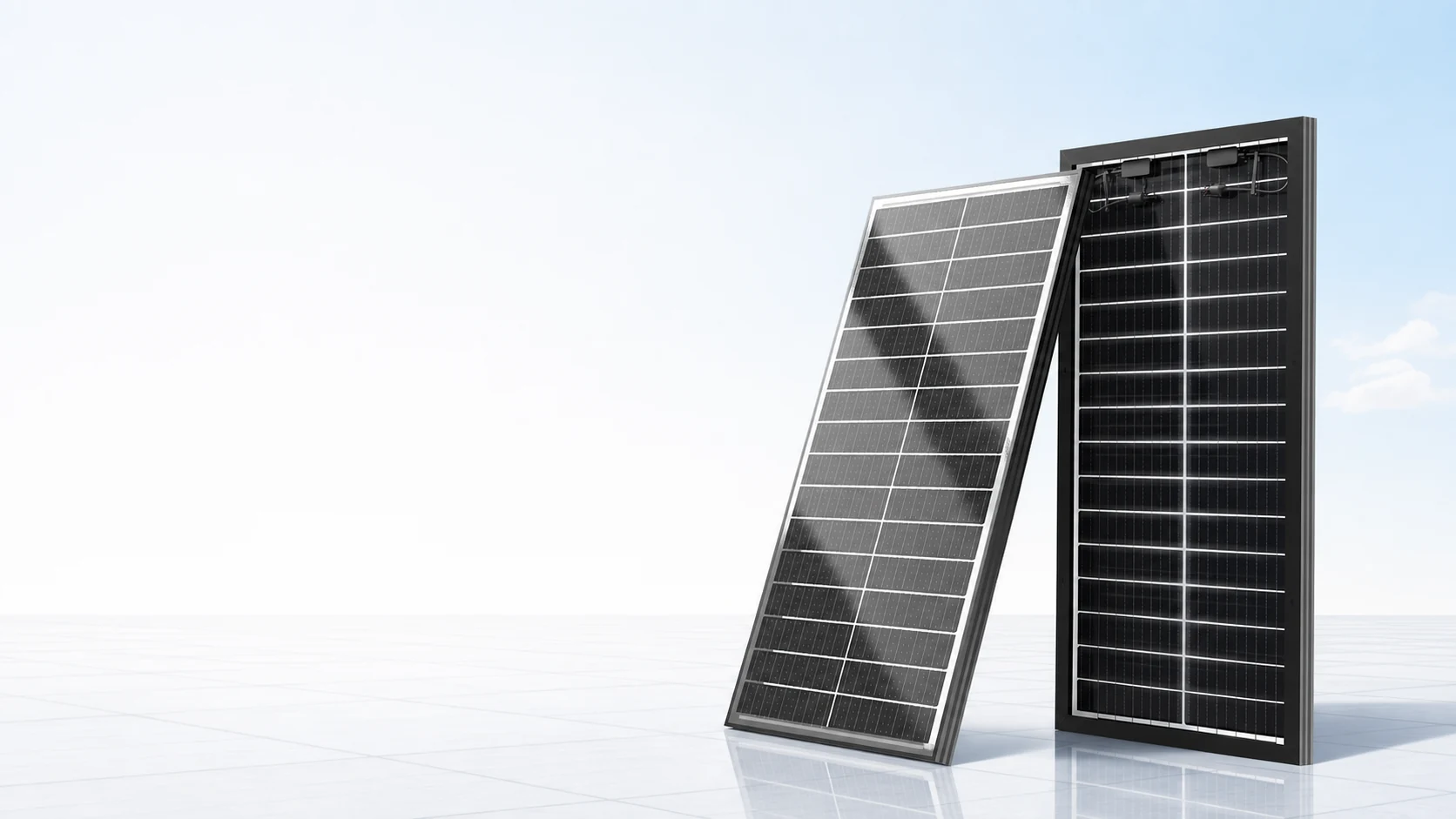
Dual-Sided Generation
100W & 200W Options
Multiple Applications
OEM & Wholesale
Choose Your Bifacial Solar Panel
Review Honray's current 100W and 200W bifacial products, compare the application focus and request a project quote.
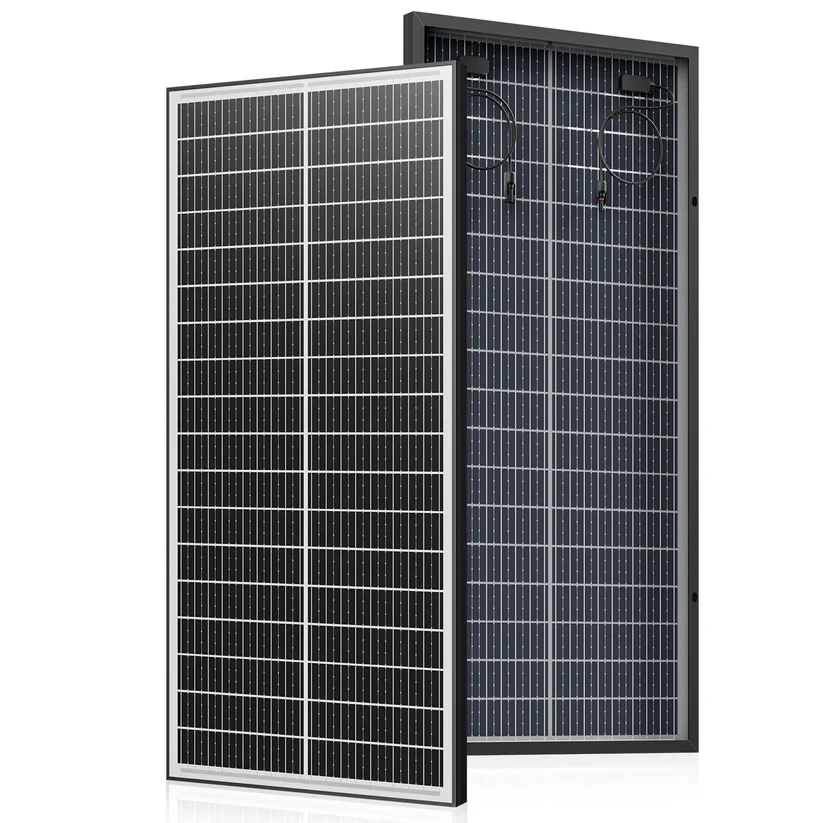
100W Bifacial Solar Panel
Power Class
100 Watt
Technology
Bifacial
Application Focus
Portable, RV
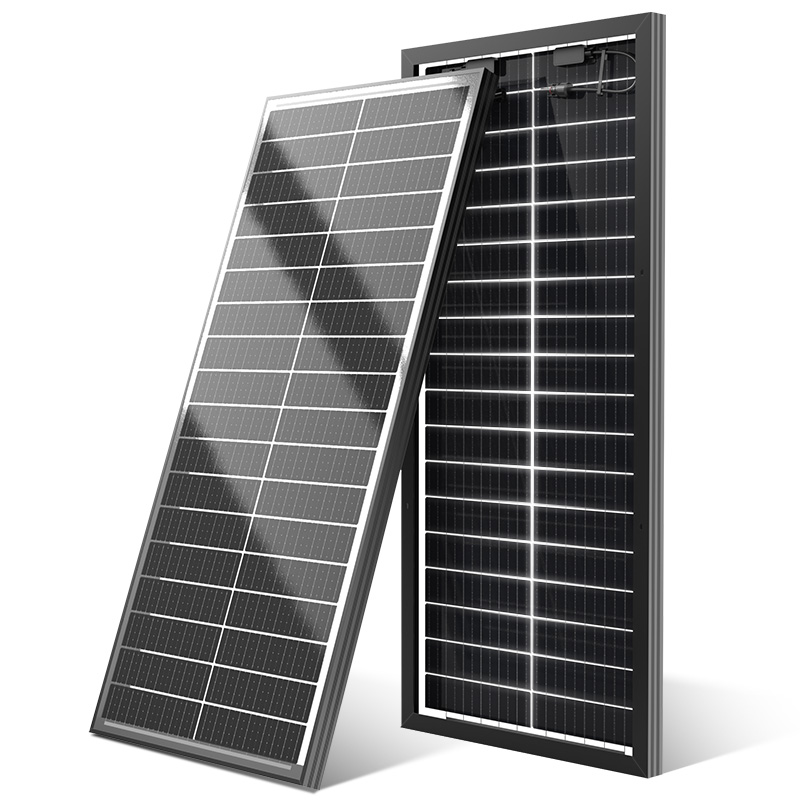
200W Bifacial Solar Panel
Power Class
200 Watt
Technology
Bifacial
Sourcing Focus
Wholesale, OEM/ODM
How to Assess a Bifacial Solar Panel for Your Project
01
Define Your Application
• Project type: rooftop, ground-mount or carport
• Power demand and performance goals
• Required documents or standards
• Budget and timeline considerations
02
Review Site & Mounting Conditions
• Ground type and surface reflectivity
• Mounting height and clearance
• Tilt angle, row spacing and orientation
• Shading analysis and obstructions
03
Prepare a Clear RFQ
• Module power class and quantity
• Mounting method and layout details
• Delivery destination and timeframe
• Required documents and test reports
How Bifacial Solar Panels Generate Power
Bifacial modules capture sunlight on the front side and additional reflected light on the rear side. Light reflected from the ground and nearby surfaces can reach the rear cells, contributing additional generation under suitable project conditions.
Compare Honray Bifacial Module Options
Power
Product
Application Focus
Request quote
Bifacial Solar Panel Applications
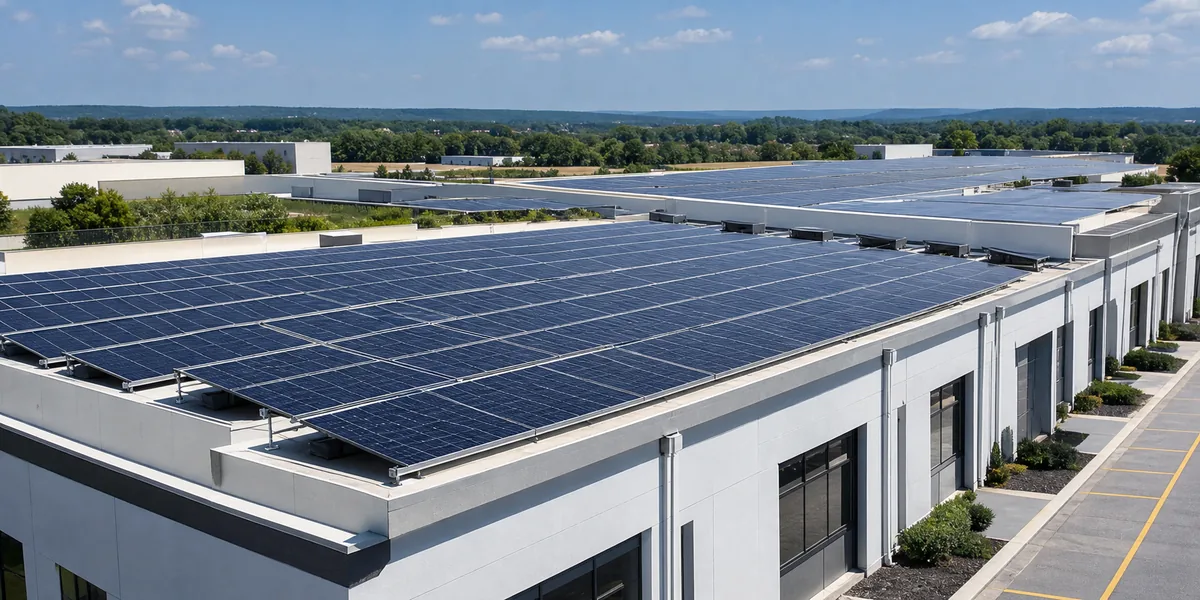
Commercial Rooftops
Evaluate low-slope roof layouts, module clearance and the surface conditions below the array.
Request quote →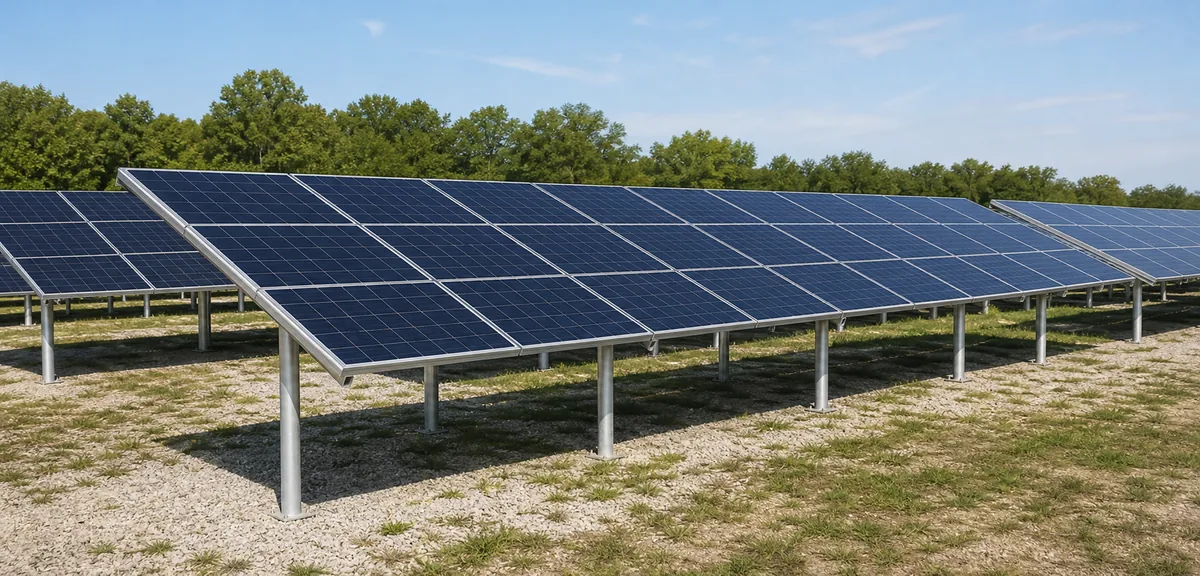
Ground-Mounted Solar
Use site reflectivity, clearance and row-spacing inputs when comparing bifacial project layouts.
Request quote →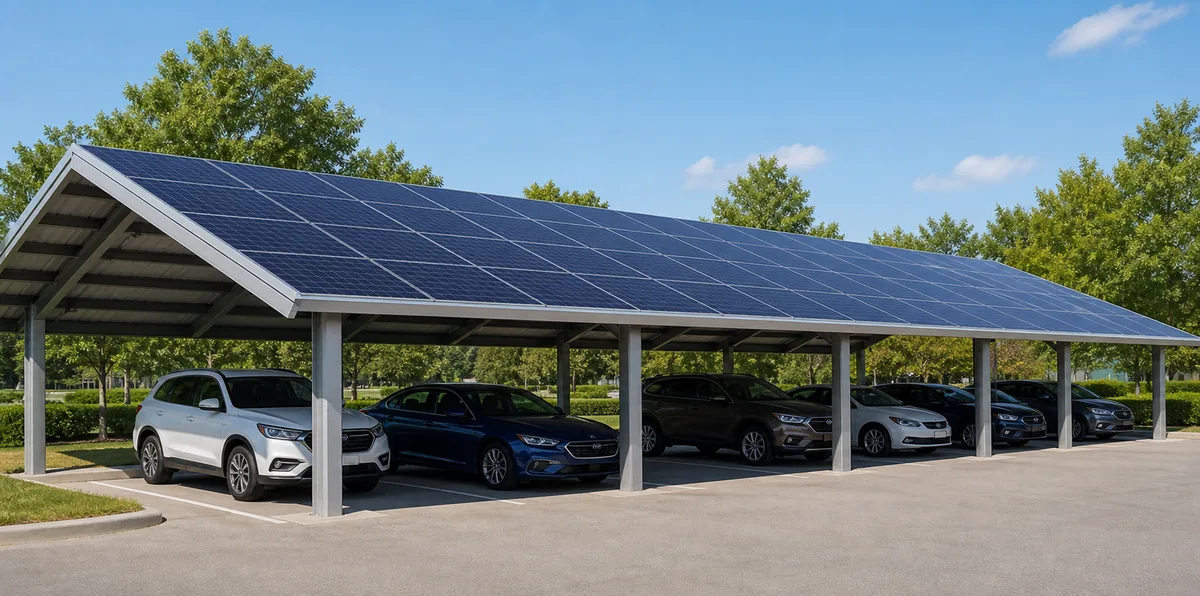
Solar Carports
Combine shade structures with generation while reviewing clearance, rear shading and structural design.
Request quote →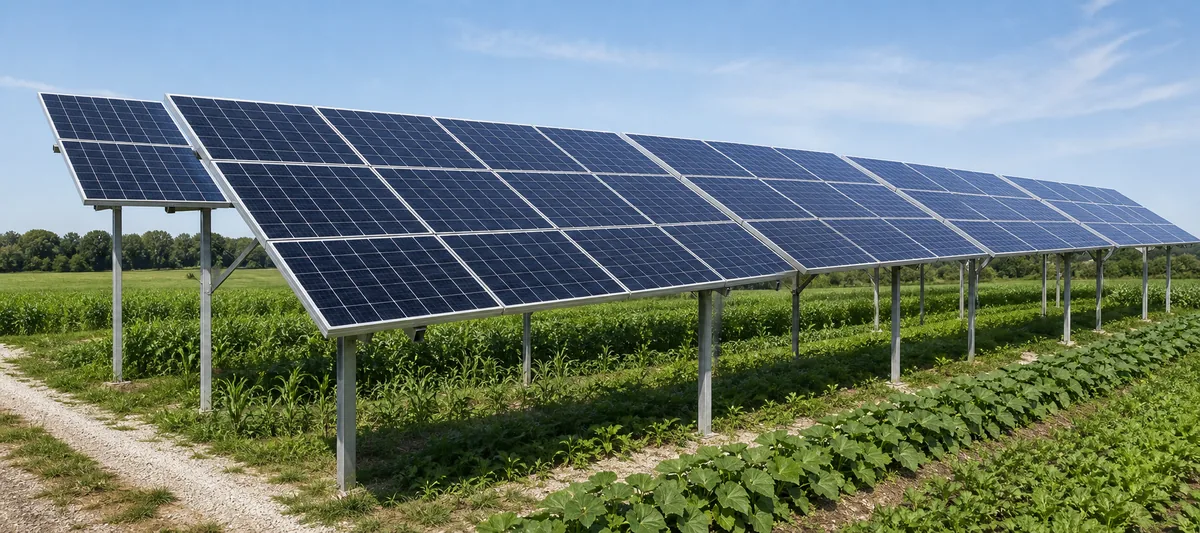
Agriculture & Open Sites
Assess crop or ground use, array elevation, shading and project-specific environmental requirements.
Request quote →What Affects Rear-Side Output?
Surface Reflectivity
Lighter surfaces such as gravel, sand or concrete can reflect more light toward the rear of the module.
Module Clearance
Higher clearance can expose more of the rear side and reduce shading from the ground.
Tilt & Row Spacing
Proper tilt angle and row spacing help limit shading and support the intended project layout.
Rear-Side Shading
Structures, vegetation and equipment can obstruct light and reduce rear-side irradiance.
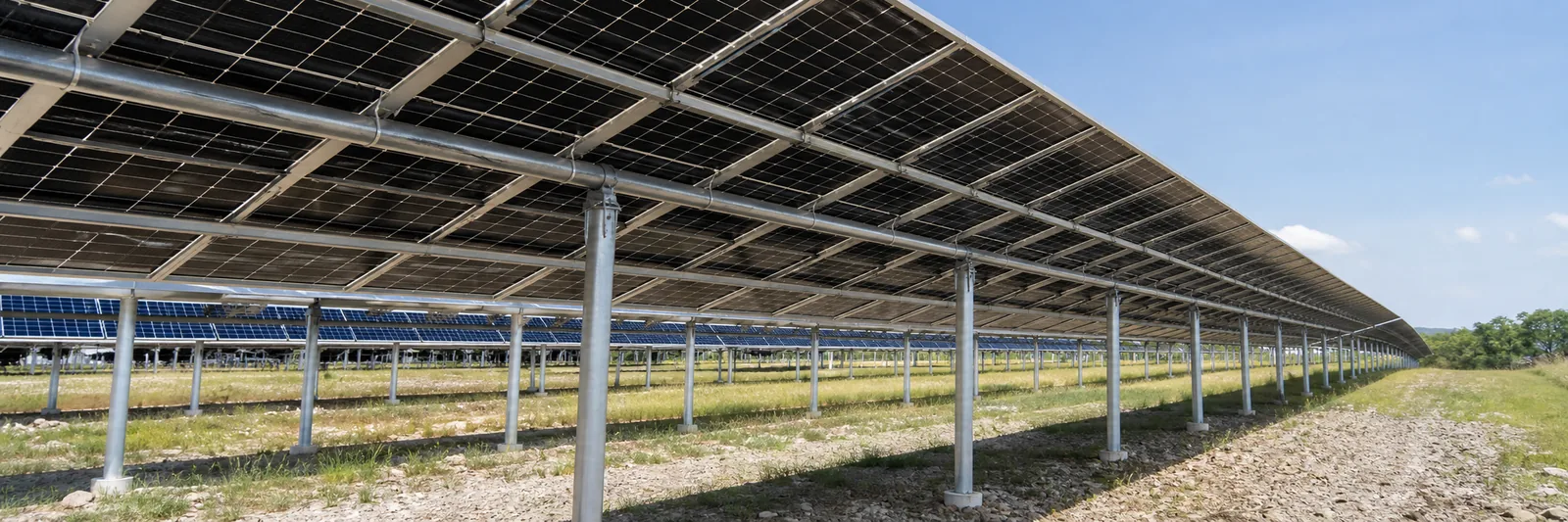
Ground-Mount Considerations for Bifacial Modules
✓ Confirm racking layout and module clearance.
✓ Review row spacing, shading and surface conditions.
✓ Include site details in the project RFQ.
Discuss Your ProjectB2B MODULE SUPPLY
OEM Bifacial Solar Panel Supply
Custom Specifications
Datasheets & Test Reports
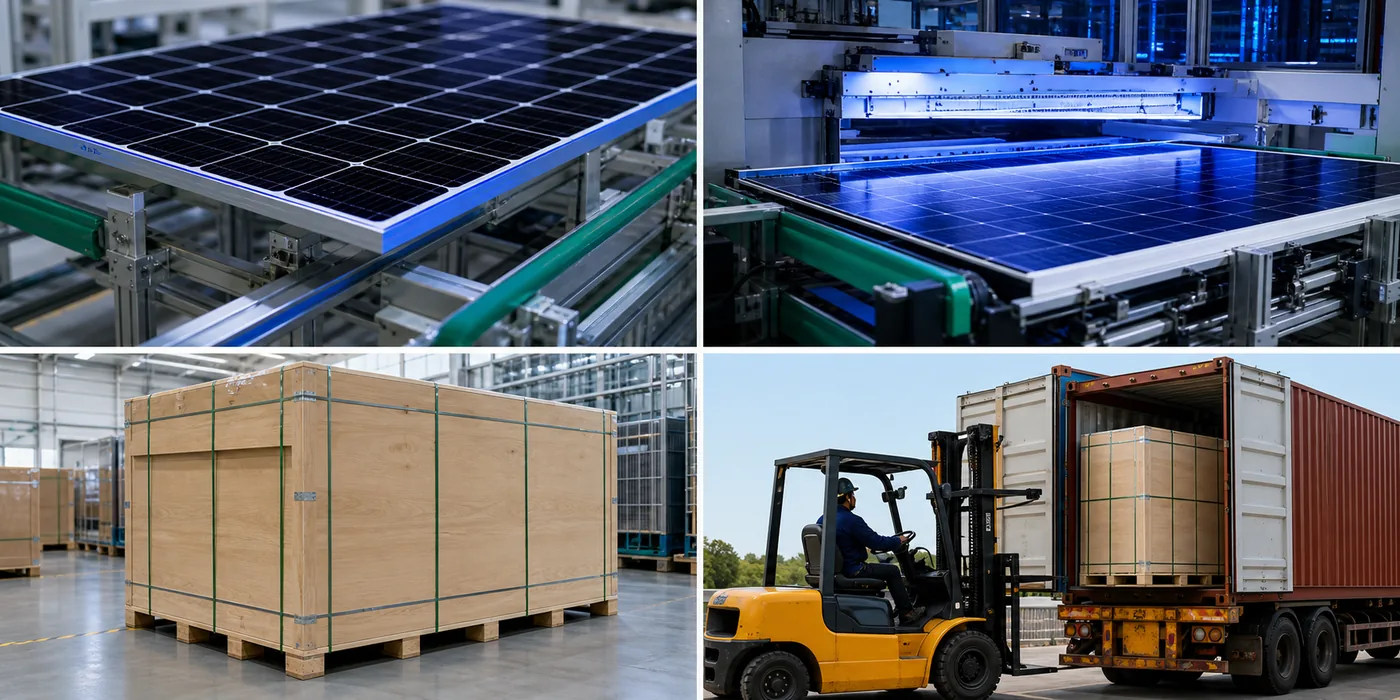
Export Packaging
Project Support
QUOTATION PREPARATION
What to Include in a Bifacial Solar Panel RFQ
Providing complete and accurate project information helps a supplier review the module request and prepare a more precise quotation.
Application
• Project type: rooftop, ground-mount or carport
• System capacity or energy target
• Performance expectations
Product Requirements
• Power class: 100W or 200W
• Module quantity
• Module design and color preference
Installation Conditions
• Mounting method and tilt angle
• Row spacing and module clearance
• Site location and environment
Procurement Requirements
• Delivery destination and timeframe
• Required documents and certifications
• Incoterms and payment terms
Bifacial Panel Buyer Questions
What is a bifacial solar panel?
A bifacial module is designed to receive irradiance on both its front and rear sides. Actual rear-side contribution depends on the site, mounting arrangement, surface reflectivity and shading conditions.
Which site conditions affect rear-side light?
Important inputs include ground reflectivity, module clearance, tilt, row spacing, surrounding structures, vegetation and equipment that may shade the rear surface.
Are bifacial solar panels suitable for rooftop projects?
They can be considered for suitable rooftop layouts, but the roof surface, clearance, structural design and shading should be reviewed before selecting a model or mounting approach.
How should I choose between 100W and 200W bifacial solar panels?
Start with the available installation space, system voltage, expected energy demand and balance-of-system requirements. Compare the selected panel with the charge controller, battery bank, inverter and mounting plan before finalizing the power class.
Do bifacial solar panels require special mounting hardware?
The mounting design should provide the required mechanical support while allowing appropriate rear-side exposure. Confirm rail layout, clearance, clamp positions and site-specific wind or structural requirements with the mounting-system provider.
Can bifacial solar panels be used in ground-mounted arrays?
Yes. Ground-mounted projects can evaluate bifacial modules when row spacing, module elevation, surface conditions and potential rear-side shading are considered as part of the overall array design.
Can these panels work with RV, camping and portable power systems?
The 100W and 200W product options can be evaluated for RV, camping, portable power and off-grid applications. Confirm the system voltage, charge-controller input limits, cable configuration and battery compatibility for the chosen setup.
What product documents can I request before ordering?
Include the documents needed for your project in the inquiry, such as a datasheet, test reports or market-specific certification requirements. The supplier can then confirm the applicable documentation for the selected product and destination.
Is OEM or ODM customization available for bifacial solar panels?
OEM or ODM requirements can be discussed for project-based procurement. Provide the target power class, quantity, application, destination and any requested design, packaging or documentation requirements when submitting your inquiry.
What should a bifacial solar panel RFQ include?
Include the desired power class and quantity, application, site and mounting conditions, delivery destination, schedule, requested documents, certification requirements and preferred Incoterms.