
Monocrystalline solar panels for reliable power projects
Source monocrystalline solar panels for wholesale distribution, EPC procurement and project-based installation. From compact 100 Watt modules to high-output 550 Watt solar panels, compare a practical model range against available area, system voltage, target output, packing requirements and destination-market needs. Confirm final electrical and mechanical details against the approved datasheet before purchase or system design.
B2B supplyBuilt for professional partners
Model selection supportChoose the right solution
Sample evaluationConfirm before larger orders
Export deliveryGlobal logistics support
Select by project target
Choose by output, size and application
Final voltage, dimensions, cell layout and connector details depend on the selected model.
100 Watt
Solar Panel
Compact auxiliary power
Get a Quote200 Watt
Solar Panel
RV, marine and small off-grid loads
Get a Quote400 Watt
Solar Panel
Residential and project arrays
Get a Quote500 Watt
Solar Panel
Commercial high-density layouts
Get a Quote550 Watt
Solar Panel
Utility and large project installations
Get a Quote
Model selection
Compare the monocrystalline panel range
Use the approved datasheet for final selection and project design.
| Wattage | Typical application | Installation constraint | Technology option | Data status |
|---|---|---|---|---|
| 100 Watt | Auxiliary power, lighting, small devices | Limited space / low load | Mono cell — by model | Confirm by model |
| 200 Watt | RV, marine, telecom, small off-grid systems | Medium space / moderate load | Mono cell — by model | Confirm by model |
| 400 Watt | Residential and small commercial systems | Standard project layout | Mono cell — by model | Refer to approved datasheet |
| 500 Watt | Commercial rooftops and industrial facilities | Larger area / higher load | Mono cell — by model | Refer to approved datasheet |
| 550 Watt | Utility-scale and large project installations | Larger area / higher load | Mono cell — by model | Refer to approved datasheet |
Cell and module engineering
From monocrystalline cell to finished module
Module construction and cell architecture vary by approved model.
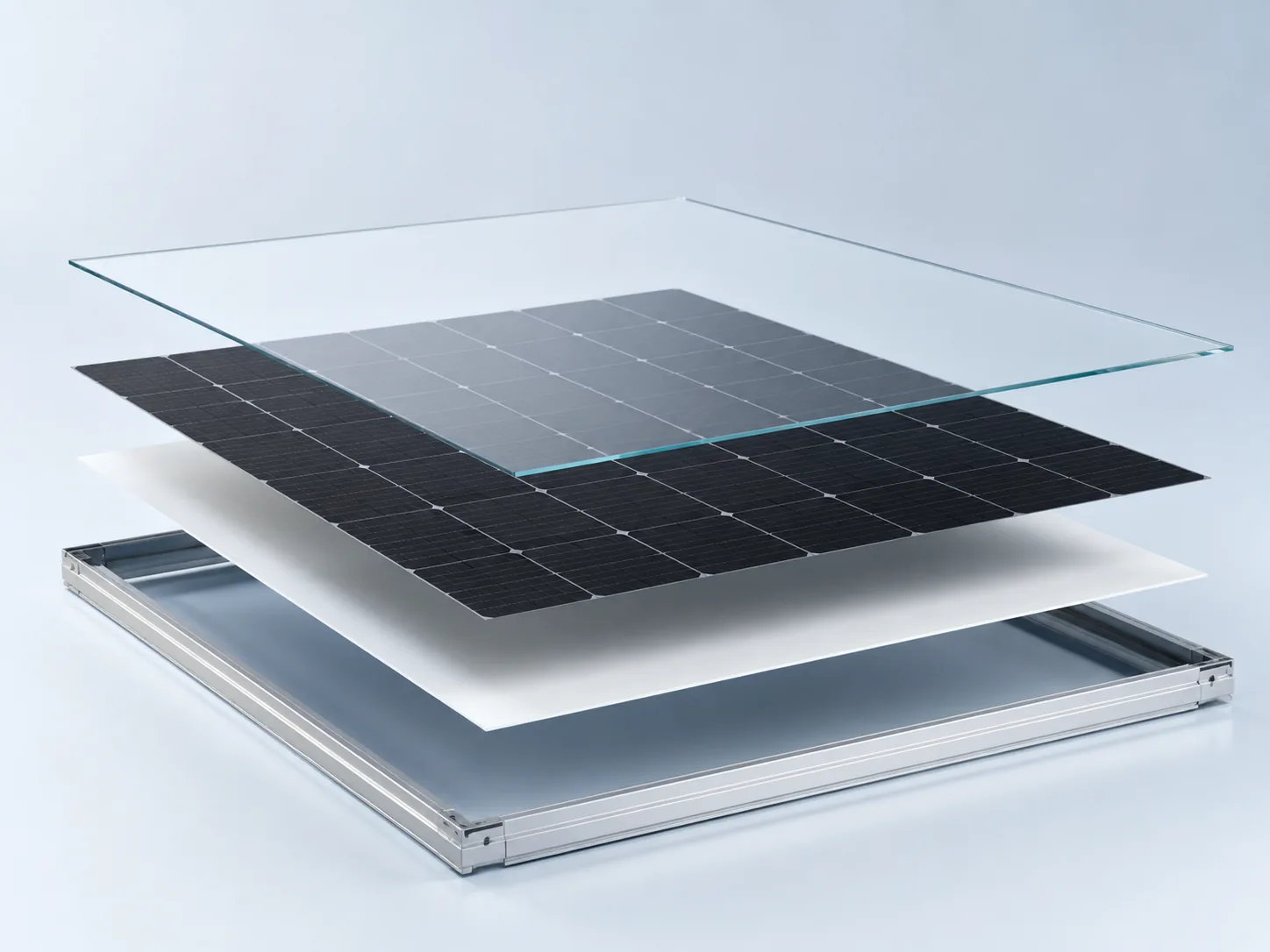
Optical transmission
Tempered front layers help protect cells while allowing light to pass through.
Cell interconnection
Interconnect design is matched to the selected module configuration.
Mechanical protection
Layers and frame construction are selected to suit intended installation conditions.
Weather sealing
Junction box and material choices are confirmed against the approved model.
Applications
One product family, multiple project environments
Rigid monocrystalline modules selected by wattage, layout and project requirements.
Hongyu supplies monocrystalline solar panels for B2B buyers planning residential rooftops, commercial and industrial solar projects, remote power systems and distributor programs. Compare the panel range against available installation area, system voltage, target output, project scope, logistics needs and order quantity, then confirm final module data against the approved datasheet before procurement or installation.
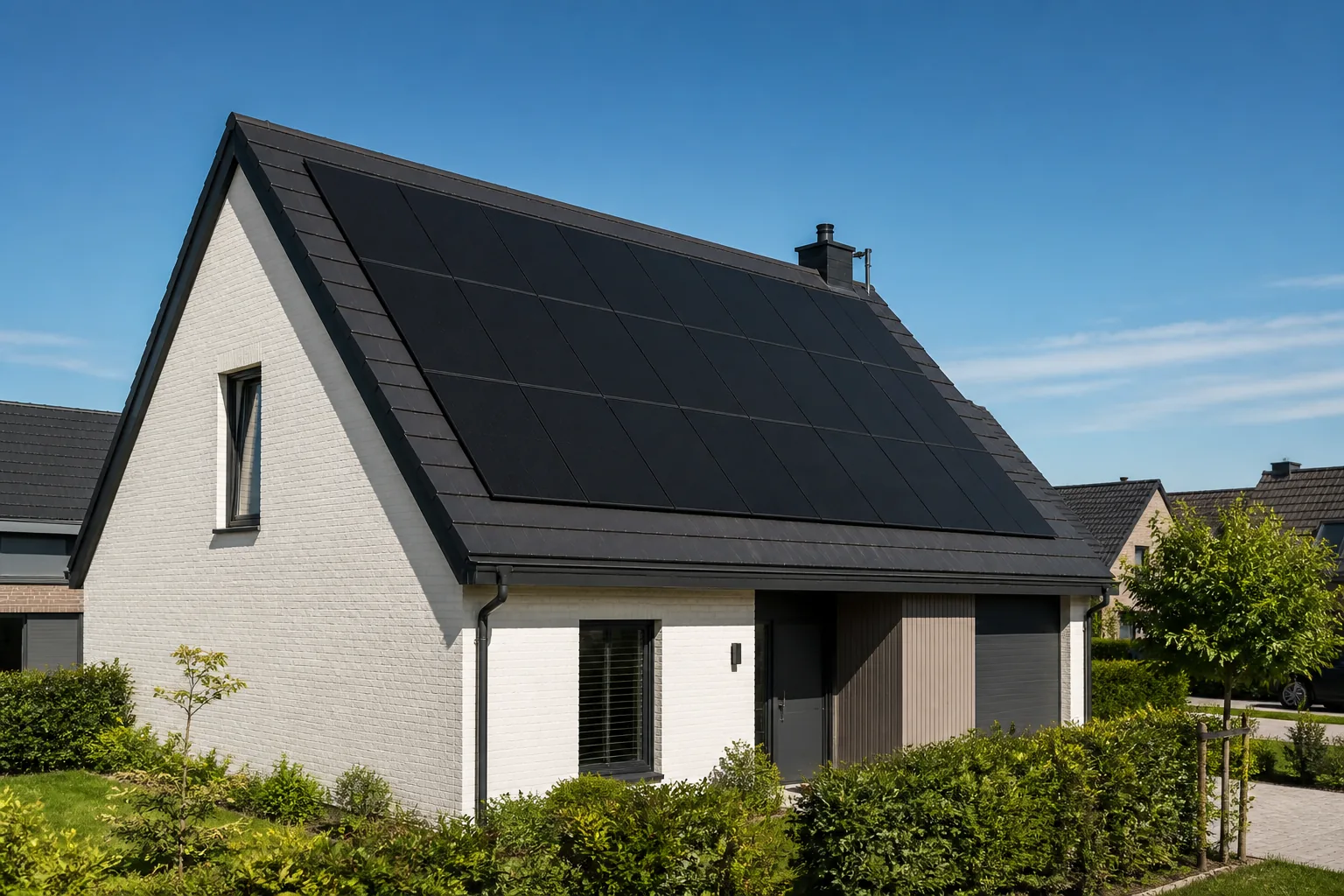
Residential & home projects
Power options for homes, villas and community installations.

Commercial rooftops
Generation capacity for offices, retail and public buildings.
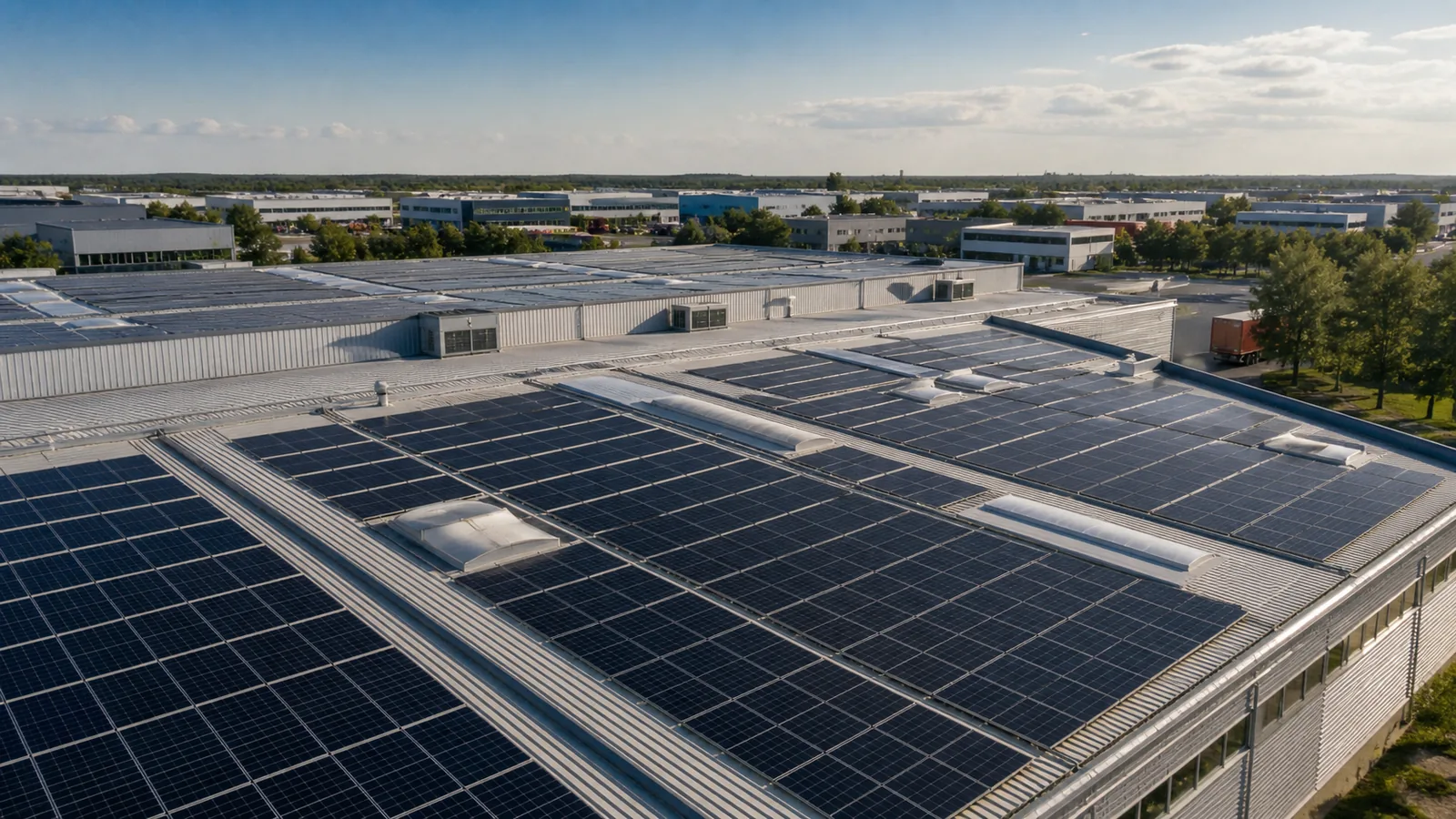
Industrial facilities
System planning for factories, warehouses and industrial parks.
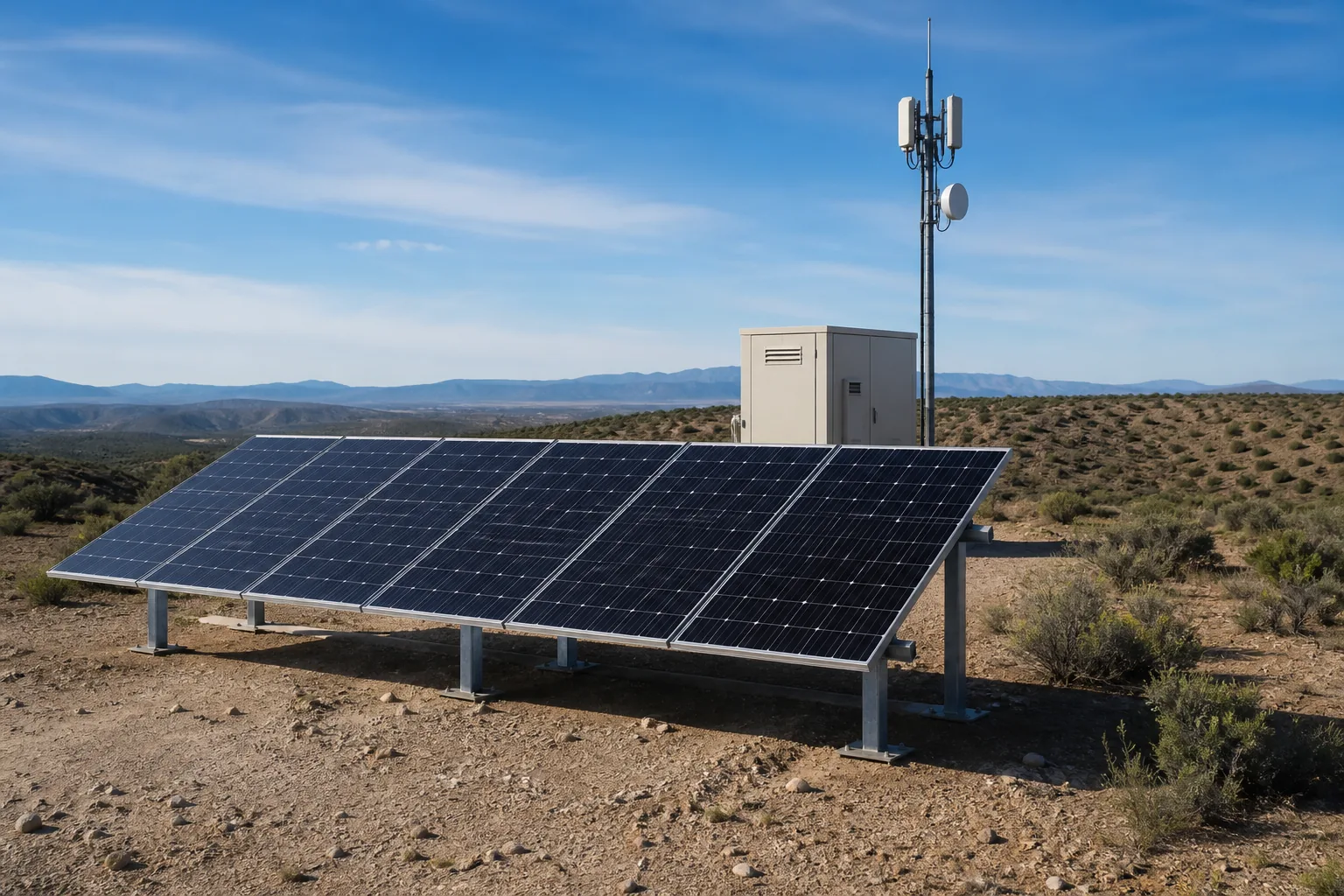
Off-grid & remote power
Independent power for remote sites, telecom and field operations.
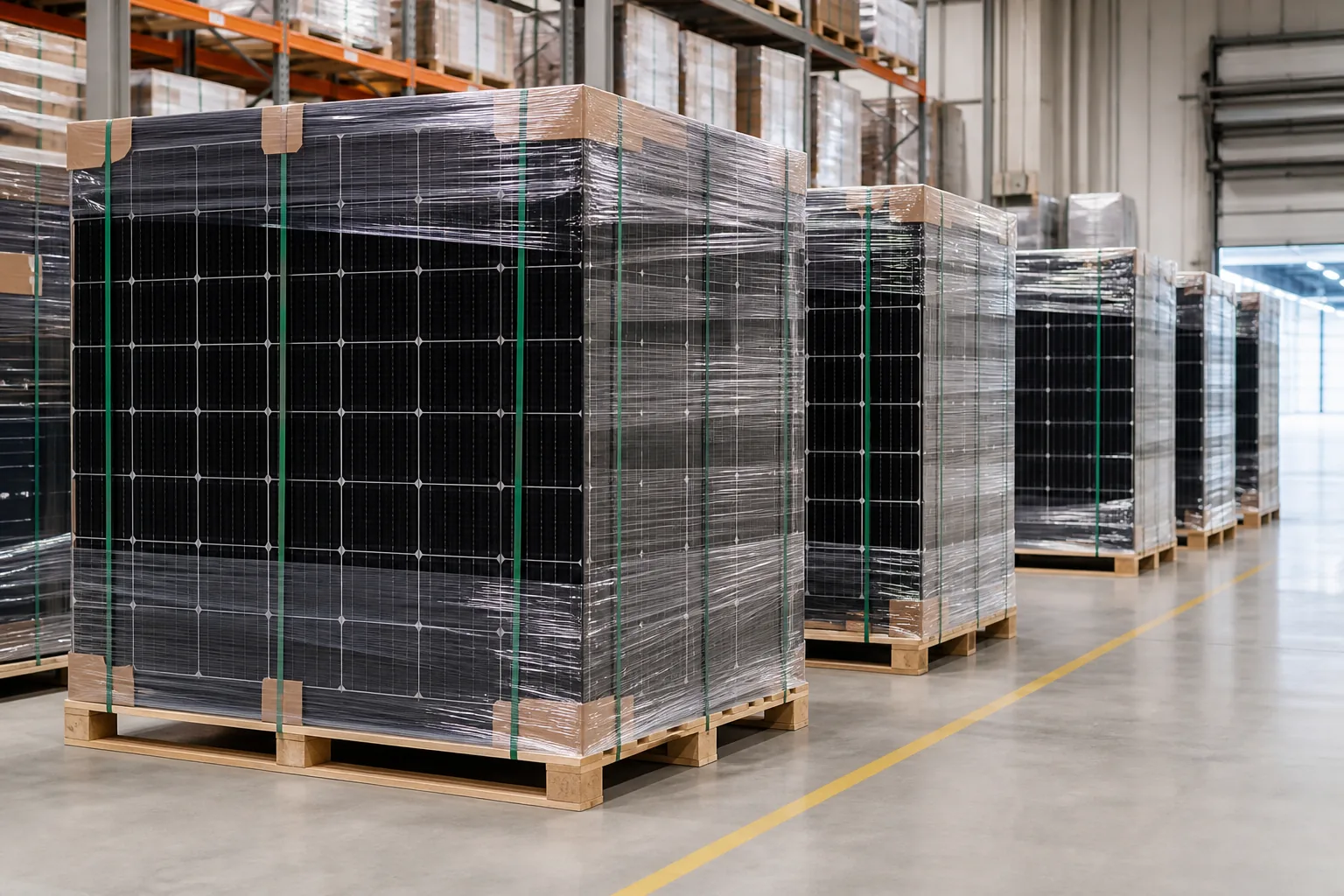
Distributors & OEM programs
Consistent supply and flexible options for brands and resellers.
System matching
Match the panel to the system design
Higher wattage can reduce module count, but it does not replace a review of usable area, voltage, structural conditions and project target.
Get a QuoteAvailable roof / ground area
Measure usable space and account for obstructions.
System voltage & string design
Match the selection to the voltage and string plan.
Structural & environmental loads
Account for wind, snow and installation conditions.
Target energy yield
Balance system size with energy goals and budget.
100 Watt
More modules
200 Watt
Compact arrays
400 Watt
Optimized layout
500 Watt
Higher output
550 Watt
Reduced module count
B2B configuration
Configured for your market and project
Select model-based options for professional distribution and project delivery.
Cell technology by model
Available options depend on the approved module.
Frame & backsheet selection
Finish and material options by approved model.
Cable length & connectors
Custom cable length and compatible connector options.
Junction box configuration
Options matched to the module design.
Label & packaging
Branding, labeling and packing preferences.
Documentation support
Project documents and technical support on request.

Manufacturing and quality
Quality controls before shipment
Inspection scope follows the approved model and order requirements.
- 1Visual & cell inspectionCheck module appearance and visible workmanship.
- 2Electrical performance reviewConfirm review steps according to the approved model requirements.
- 3Frame & sealing reviewInspect framing, sealing and junction box installation.
- 4Packaging & traceabilityVerify packing quality and order traceability information.
Project delivery
Prepared for wholesale and project delivery
Packing and documents are confirmed against the approved order.
Confirm model & quantity
Align module, quantity and delivery schedule.

Approve packing method
Confirm packing type and labeling requirements.
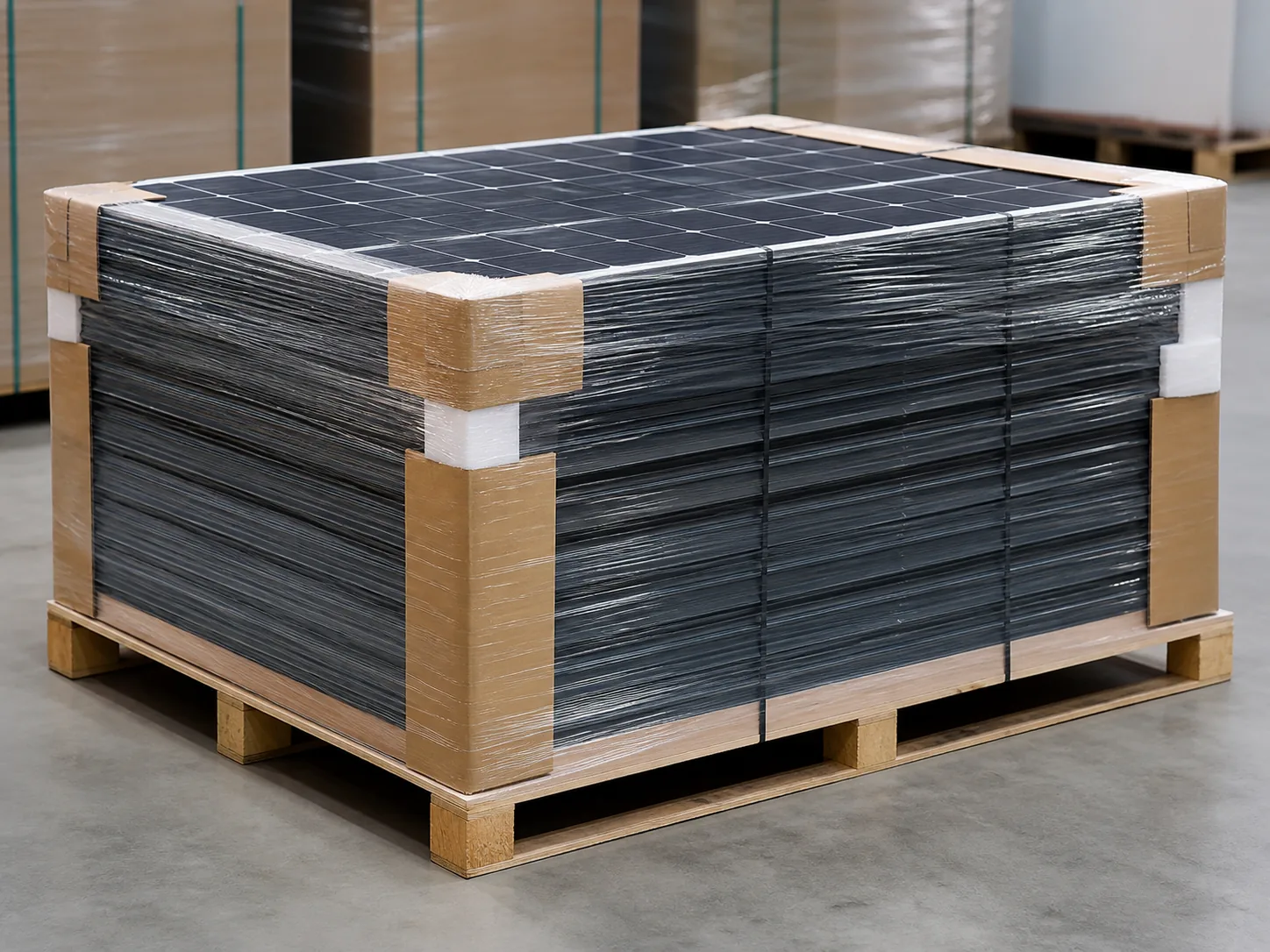
Final inspection
Complete required quality checks before packing.
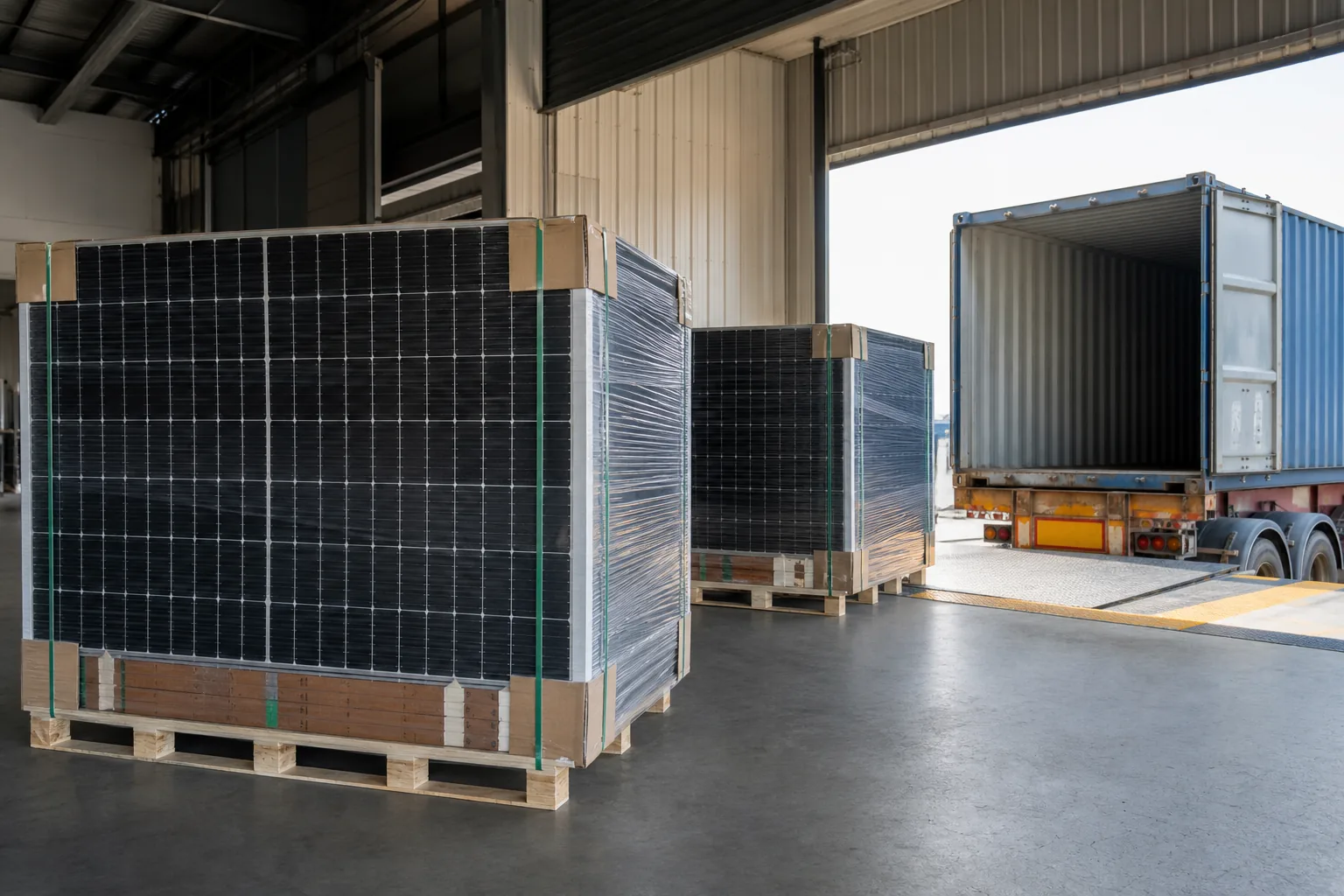
Export & delivery
Organize transportation and delivery coordination.
FAQ
Frequently asked questions
Model selection, sourcing and delivery answers for professional solar buyers.
What makes monocrystalline solar panels different?
They use monocrystalline solar cells. The right module selection should still be based on the approved product data, installation conditions and project requirements.
Are specifications the same across every wattage?
No. Electrical, mechanical and component details can vary by exact model. Confirm the approved datasheet before final design, purchase or installation.
Which wattage should I choose: 100, 200, 400, 500 or 550 Watt?
Start with available area, load target, system voltage, string layout and the application. Our team can help narrow the range once these inputs are shared.
How are solar panels packed for export?
Packing method, protection and labeling are confirmed against the approved order and transport requirements before shipment coordination.
Can you customize connectors, cables and labels?
Model-based options can be discussed for professional orders. Availability needs to be confirmed against the selected module and order scope.
Can you support distributor and EPC orders?
Yes. Share the selected application, target wattage, estimated quantity and destination market so the request can be evaluated by the appropriate team.
Can I request a datasheet before placing a bulk order?
Yes. Request the datasheet for the specific model under consideration and use that approved document to verify the details relevant to your purchase or design.
What information is needed for a wholesale quotation?
Share the intended wattage or application, estimated quantity, destination market, target timing and any required packing or technical details. This helps the team evaluate the request accurately.
Can the same panel range be planned for different destination markets?
Project requirements can differ by destination and installation context. Confirm the selected model, relevant documentation, packing details and order scope before finalizing procurement.
How should I confirm a model for a commercial rooftop project?
Start with usable roof area, target output, system voltage, string plan and applicable installation conditions. Then confirm the exact module against the approved datasheet before final design or purchase.