
Residential Solar Panel Installation: System Design, Roof Setup and Contractor Checks
Before signing a residential solar panel installation contract, ask for a production estimate based on your electricity use, a roof layout based on a site survey, and a written scope that names who handles permits, installation and utility approval. Together, these documents show what the installer plans to build and what the quote covers (see our solar panel installation costs guide to compare itemized bids).
This guide covers a grid-connected rooftop system for a U.S. home. Confirm permit, inspection and interconnection requirements with your local building department and utility.
Table of Contents
- How do you size a residential solar panel system?
- What should the roof survey cover?
- Flat Roof Solar Panel Installation
- Roof Orientation and Panel Tilt
- How do you compare solar installation contractors?
- What happens after you approve the design?
- What Roof Is Best for Solar Panels?
- How Long Do Solar Panels Take to Install?
- Residential Rooftop Solar Panel Systems: Pre-Install Checklist
- Frequently Asked Questions
- Should I replace my roof before installing solar panels?
- Can solar panels go on an east- or west-facing roof?
- Will rooftop solar keep my house running during a power outage?
- Can I install residential solar panels myself?
- What roof pitch and direction work best for residential solar panels?
- How long does a residential rooftop solar installation take?
- How do installers mount solar panels on a standing-seam metal roof vs. shingle roof?
- Do you need to upgrade your main electrical panel for rooftop solar?
- What size Honray solar kit fits a typical residential installation?
- How do solar panel product and performance warranties work on a residential roof?
How do you size a residential solar panel system?
Start with 12 months of electricity use in kilowatt-hours (kWh). Decide how much of that use you want solar to cover (estimate array size first with our solar panel calculator), then ask the installer to estimate how much energy each roof layout can produce. Flag planned changes such as an electric vehicle or a heat pump so the estimate can account for future demand.
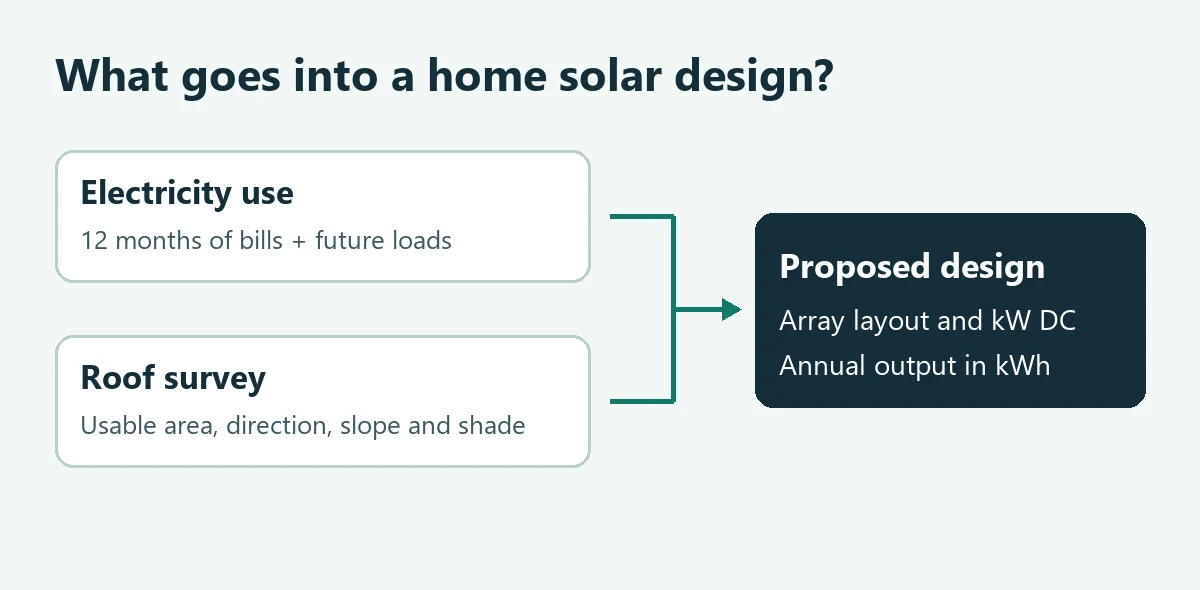
Array size is the sum of the panels’ rated DC power, measured in kilowatts (kW DC). Annual production is the estimated AC electricity generated over a year, measured in kWh. Two arrays with the same DC rating can yield different annual output if their roof slopes, directions, shading or losses differ. Ask for those assumptions with each quote.
For example, 18 panels rated at 400 W each make a 7.2 kW DC array. If the site estimate is 9,000 kWh AC in year one and the household uses 10,000 kWh annually, the projected production equals 90% of annual use. Some of that generation may be exported while the home imports power at other times. The bill impact depends on when you use electricity and how your utility values exports.
Ask the installer to name the exact module and inverter models. The designer should check that the modules fit the roof and that the proposed electrical configuration fits the inverter’s input limits. If backup power is in scope, ask for a separate list of circuits the system can run during an outage. Installers sourcing modules can use Honray Energy’s solar panel catalog to identify options and request the applicable model datasheet before finalizing the design.
What should the roof survey cover?
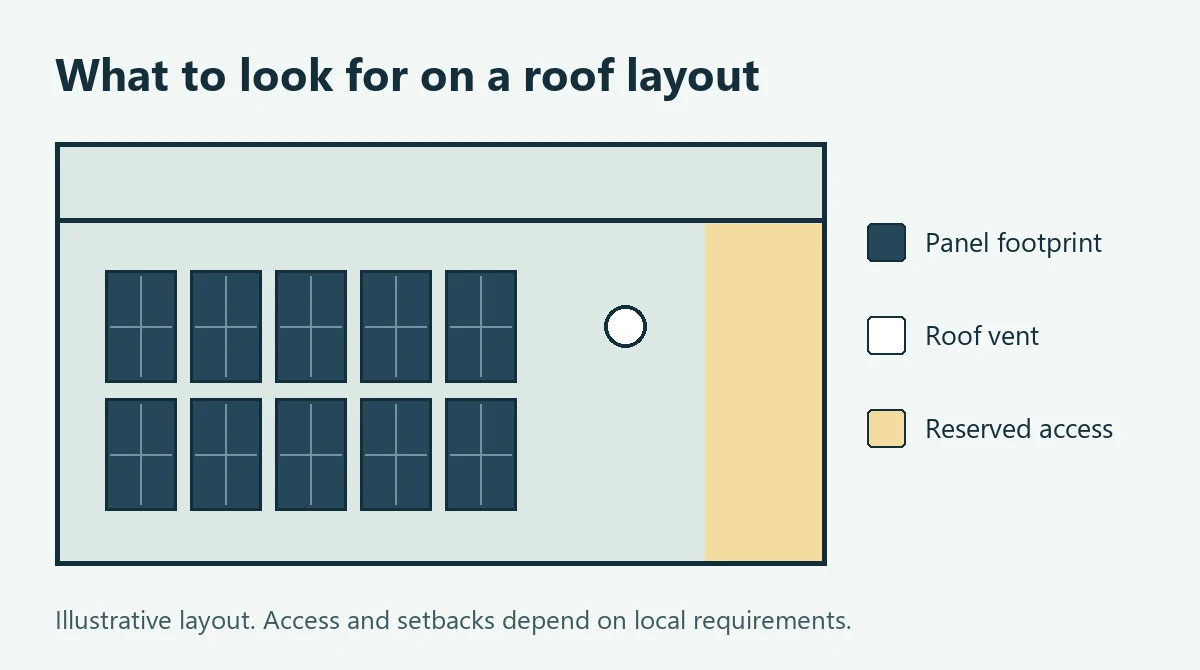
A roof survey should establish where the panels will fit, whether the structure can support the proposed system, and how the installer will keep the roof watertight. Ask to see the roof plan before approving equipment or a panel count.
- Roof condition. Record the roofing material, age and any signs of damage. If replacement is due soon, have the roofer and installer agree on sequencing and who handles penetrations and leak claims.
- Usable roof area. Ask the installer to show panel footprints, vents, skylights and any required setbacks or access paths. A drawing that uses the entire roof face may overstate how many panels fit.
- Shade by roof face. Ask which areas are shaded by trees, chimneys or neighboring roof sections and how the model accounts for that shade across seasons. For arrays split across roof faces, request production estimates that reflect each face’s orientation.
- Structural and waterproofing details. Ask where the racking transfers load into the roof structure, how attachments will be flashed or sealed for the roofing material, and who reviews local wind and snow loads when applicable. Get the roof-leak coverage and exclusions in writing.
Flat Roof Solar Panel Installation
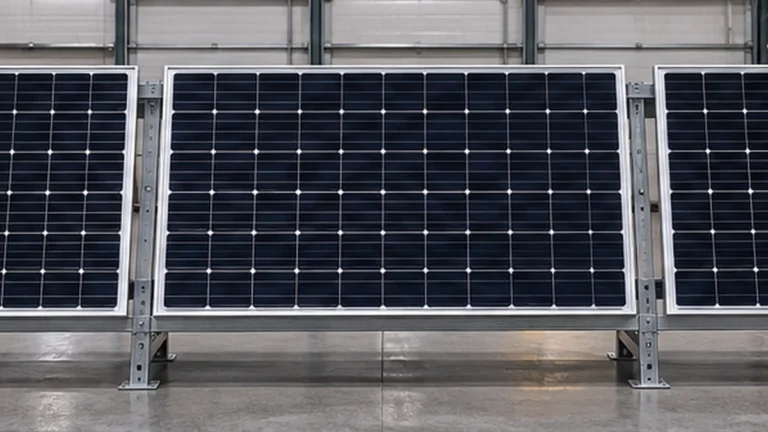
For a flat roof, ask the designer to compare ballasted and mechanically attached layouts against the roof structure and membrane. Include the weight of the array and any ballast, wind exposure, drainage paths and access for maintenance. If roof work is planned, coordinate the roof and solar scopes before choosing the attachment layout.
Roof Orientation and Panel Tilt
Choose the layout around available roof faces, shading and the hours when the building uses electricity. A steeper tilt can also change row spacing and wind exposure. Ask the installer to compare expected annual output and the usable panel count for each proposed orientation. Use the exact panel dimensions when comparing layouts.
How do you compare solar installation contractors?
Verify the license required for the proposed work with the relevant licensing authority, confirm insurance, and compare written proposals for the same project scope. Ask which company will do the roof and electrical work if the seller uses subcontractors, and who will handle service calls after installation.
| Check | What to ask for before signing |
|---|---|
| Crew and credentials | Legal names of the contractor and key subcontractors, applicable license numbers, and proof of insurance. |
| Roof layout | A dated drawing with panel count, obstructions, access areas and the mounting approach. |
| Expected output | Year-one kWh, modeled shade and losses, and the electricity-use period used for comparison. |
| Equipment and substitutions | Module, inverter and racking model numbers. Ask when a substitution needs your approval and whether it triggers a revised layout or estimate. |
| Electrical work | Whether the quote includes any service panel, meter or wiring work identified in the site survey. |
| Permits and utility | Who submits applications, schedules inspections, corrects deficiencies and follows up on permission to operate. |
| Warranty and service | Separate terms for equipment, workmanship and roof penetrations, plus the contact and process for making a claim. |
| Payment and changes | Itemized scope, exclusions, payment milestones and the written process for approving extra work. |
If two contractors quote different system sizes, ask each to explain the difference using the same electricity history. A quote may place more panels on a shaded roof face, assume a future EV load or use a different export limit. Get the explanation in writing so you can compare the designs on the same basis.
What happens after you approve the design?
The installer typically prepares the permit and interconnection paperwork, mounts the array and completes the electrical work. Local inspection and the utility’s approval process follow the applicable local procedures. A finished array can still be waiting for permission to operate (PTO), so confirm with the installer when it may be operated in parallel with the grid.
At handover, request the as-built roof layout and electrical diagram, equipment documentation, inspection and utility records where applicable, warranty contacts, and access to the monitoring account. Ask the installer to show you how to spot a production alert and whom to contact if the system reports a fault or you notice a roof leak.
What Roof Is Best for Solar Panels?
Roof suitability depends on condition, usable space, shading and the proposed attachment system. For metal roof solar panels, specify whether the roof is standing-seam or a profiled sheet design. Ask for solar panel mounts for metal roof use that match the actual roof and mounting-system instructions. A clamp or bracket approved for one profile is not automatically suitable for another.
For new roof and solar panels projects, coordinate roofing work, attachments, cable routes and service access before installation. Replacing a roof with solar panels already fitted also requires a removal and reinstallation scope, responsibility for handling the modules and an agreed warranty process. See the panel dimensions and roof layout guide.
How Long Do Solar Panels Take to Install?
Separate the on-site installation period from the full project schedule. Survey, design review, equipment delivery, roof repairs, permits, inspection and utility approval can each affect the completion date. Ask the installer for dated milestones and dependencies rather than one universal number of days. For solar panels for new construction, coordinate these milestones with the building program and electrical work.
Residential Rooftop Solar Panel Systems: Pre-Install Checklist
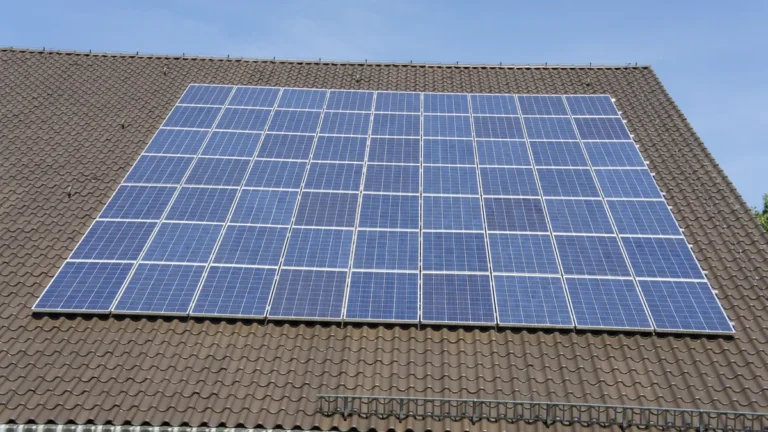
Before finalizing residential solar panels on roof layouts or signing a rooftop solar panel installation contract, verify three items that determine real-world yield for residential rooftop solar systems:
- Roof condition & structural margin: Confirm shingle, tile, or standing-seam metal roof age so your residential rooftop solar panels do not need premature removal for reroofing.
- Shading & string sizing: Check chimney, dormer, and tree shadows during morning and late-afternoon hours before locking your solar panel rooftop installation layout and racking BOM.
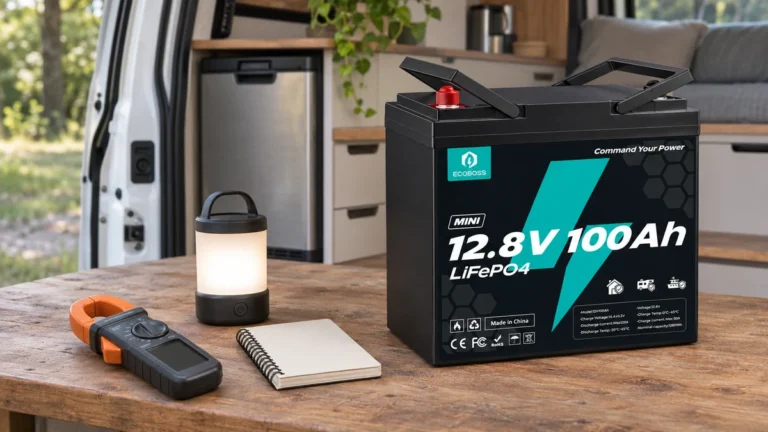
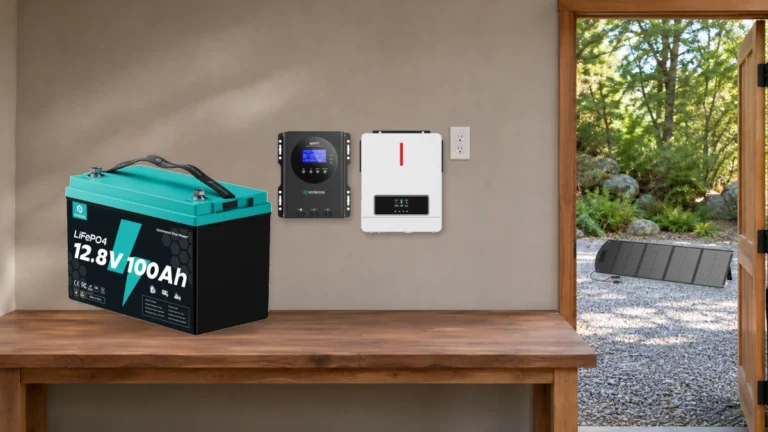
- System capacity & storage pairing: Standard residential roof solar panels often pair with hybrid inverters and LiFePO4 batteries—compare our 3kW home solar system, 5kW home solar system, or 11kW home solar system kits, or request an itemized quote for a full rooftop solar installation package.
Frequently Asked Questions
Should I replace my roof before installing solar panels?
If the roof is near the end of its service life or needs substantial repairs, have it assessed and address the work before installing solar panels. Ask who will remove and reinstall the array if you replace the roof later, what the work would cost, and how it affects warranty coverage.
Can solar panels go on an east- or west-facing roof?
Yes. East- or west-facing roofs can support solar panels when shade, usable area and structural conditions allow. Ask for site-specific annual and monthly production estimates for the proposed roof faces, using their actual direction and slope.
Will rooftop solar keep my house running during a power outage?
A conventional grid-tied rooftop solar system typically shuts down during a utility outage. To power selected circuits during an outage, ask for a home solar battery system designed for backup operation and a written explanation of what it can power and under which conditions.
Can I install residential solar panels myself?
Owner installation depends on local permitting, electrical licensing rules and utility interconnection requirements. Check those rules before buying equipment. For a contractor-led installation, ask who is responsible for structural assessment, roof work, electrical connections and inspection corrections.
What roof pitch and direction work best for residential solar panels?
In the Northern Hemisphere, a south-facing roof with roughly a 15°–40° pitch generally maximizes annual solar yield, while east- and west-facing roofs deliver strong morning or late-afternoon generation. Always run a site-specific shade and tilt model before finalizing string layout.
How long does a residential rooftop solar installation take?
Physical roof racking, panel mounting, and inverter wiring typically take 1 to 3 days for a standard home, whereas full project timelines—including engineering stamp, utility interconnection, and municipal inspection—commonly span 4 to 10 weeks.
How do installers mount solar panels on a standing-seam metal roof vs. shingle roof?
Standing-seam metal roofs use non-penetrating seam clamps that preserve roof waterproofing, whereas asphalt shingle roofs require flashed lag bolts anchored into structural rafters. Confirm the racking attachment method and roof warranty impact in writing before work begins.
Do you need to upgrade your main electrical panel for rooftop solar?
A main service panel upgrade is required only when the existing busbar rating cannot accommodate the solar breaker under local electrical code (such as the 120% busbar rule) or when adding high-power backup loads. A supply-side tap or load-side derate may avoid a full panel swap.
What size Honray solar kit fits a typical residential installation?
Depending on daily household kWh demand, Honray offers 3kW, 5kW, and 11kW home solar system kits as reference hardware configurations, paired with 24V or 48V/51.2V LiFePO4 batteries. Confirm roof racking hardware, breaker panels, and local grid codes with your licensed installer.
How do solar panel product and performance warranties work on a residential roof?
Standard rigid residential solar panels carry separate product coverage (typically 12 years on Honray rigid modules) and linear power output coverage (25–30 years at ≥80%), while your contractor provides a separate roof-penetration and installation workmanship warranty. See our solar panel warranty guide for claim details.
OEM & ODM Customization
100% Dual EL Tested
Export to 50+ Countries
TÜV · UL · CE · UN38.3
Looking for wholesale pricing or custom OEM/ODM solutions?
Connect directly with our engineering team for a tailored quote within 24 hours.